
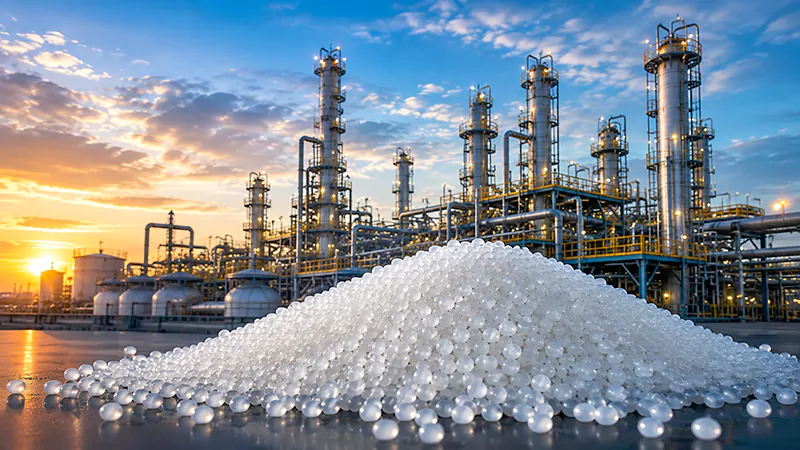
The global polyethylene (PE) market is experiencing another period of price increases during 2026 as manufacturers, distributors, and industrial buyers navigate a combination of higher production costs, changing supply conditions, and steady demand across multiple sectors. Polyethylene remains one of the world’s most widely used plastics, serving industries ranging from packaging and agriculture to construction, automotive, and consumer goods. As a result, even modest price fluctuations can have a significant impact throughout the manufacturing supply chain.
Recent market reports indicate upward movement in prices for High-Density Polyethylene (HDPE), Low-Density Polyethylene (LDPE), and Linear Low-Density Polyethylene (LLDPE). Although regional pricing varies depending on supply and demand, the overall market sentiment points toward continued volatility during the remainder of the year.
Understanding the factors driving these price changes enables manufacturers and buyers to make more informed procurement and production decisions.
Rising Feedstock Costs Continue to Influence Polymer Prices
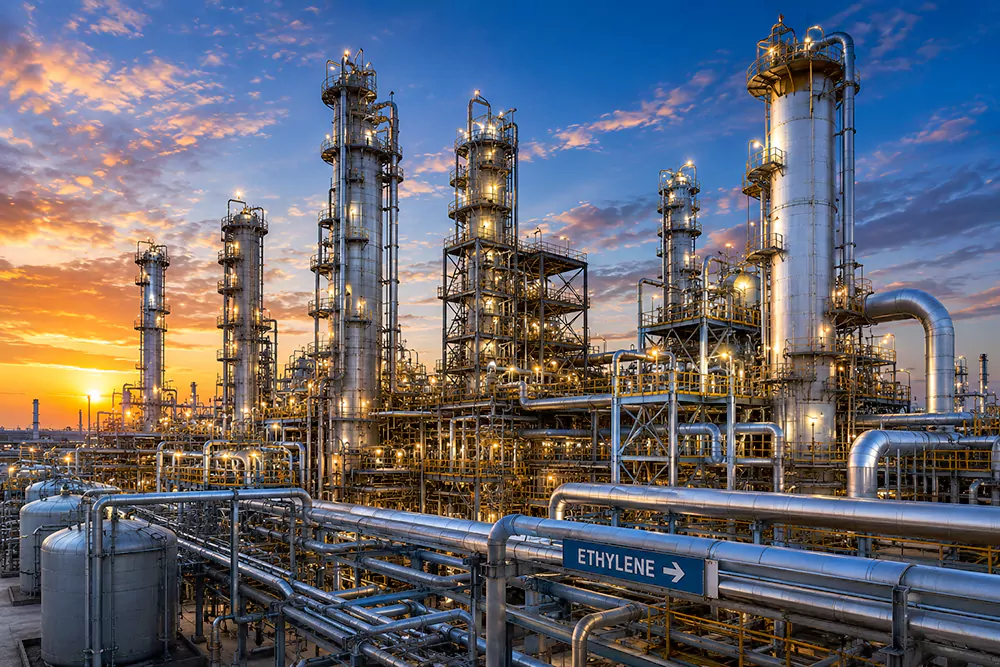
One of the primary reasons for increasing polyethylene prices is the higher cost of petrochemical feedstocks. Polyethylene is produced from ethylene, which is derived primarily from crude oil and natural gas. When energy prices increase, the cost of producing ethylene also rises, directly affecting polyethylene manufacturing.
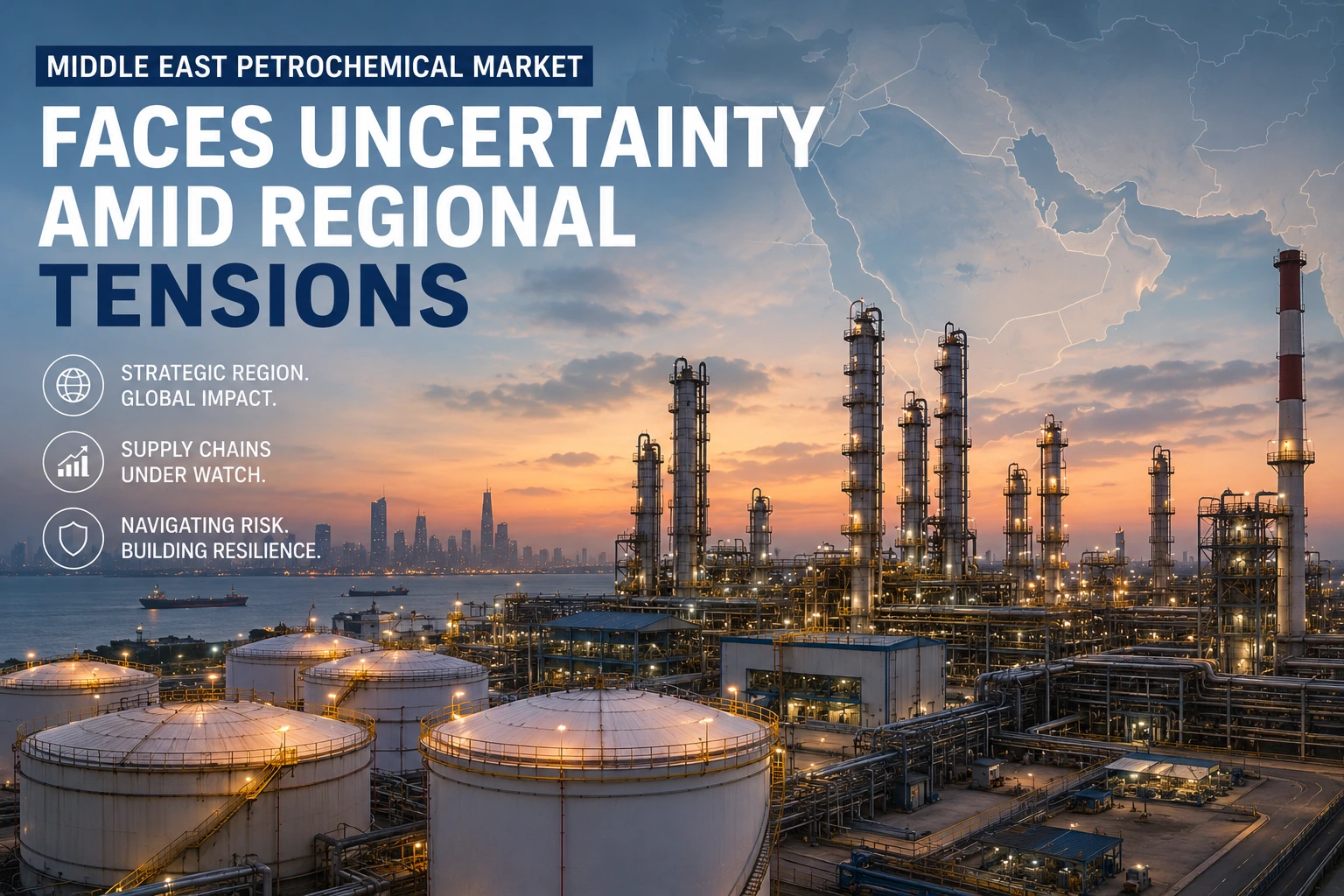
Global energy markets have remained sensitive throughout 2026 due to geopolitical developments, refinery maintenance, and changing supply-demand balances. Higher prices for crude oil, naphtha, and natural gas have increased production expenses for many petrochemical companies.
Since raw materials account for a significant portion of polymer production costs, manufacturers often adjust resin prices to reflect these changes.
Scheduled Plant Maintenance Has Tightened Supply
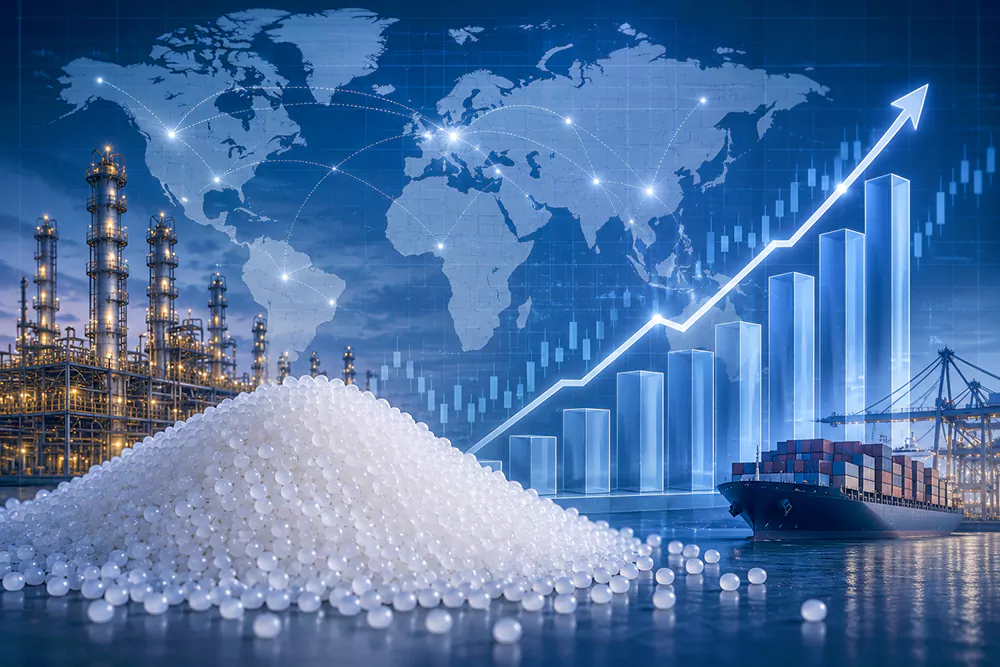
Another factor contributing to higher prices is the temporary reduction in production caused by scheduled maintenance shutdowns at petrochemical facilities.
Many polyethylene producers perform maintenance during specific periods to improve operational efficiency and ensure long-term plant reliability. While these shutdowns are planned, they temporarily reduce resin availability in regional markets.
When multiple facilities undergo maintenance simultaneously, buyers may experience tighter inventories, longer delivery times, and increased competition for available material. These conditions naturally place upward pressure on polyethylene prices.
Strong Demand Across Multiple Industries
Despite economic uncertainty in some regions, demand for polyethylene remains resilient across numerous industries.
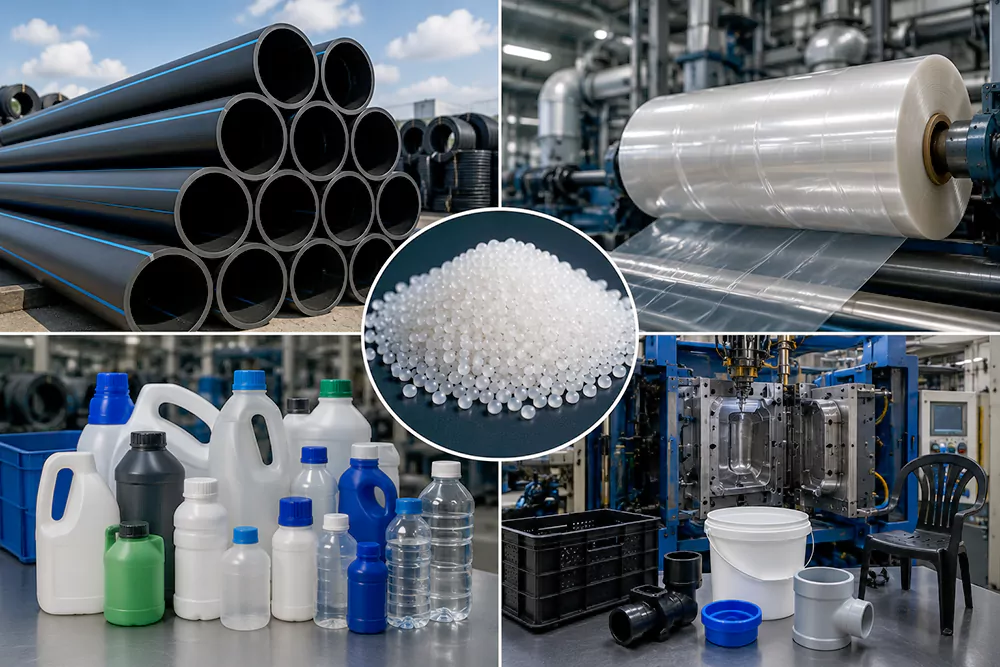
The packaging sector continues to consume large volumes of HDPE, LDPE, and LLDPE for food packaging, industrial films, and consumer product applications. Construction projects require polyethylene for water pipes, gas distribution systems, insulation, and geomembranes. Agricultural applications such as greenhouse films and irrigation products also maintain stable demand.
Additionally, manufacturers continue investing in lightweight plastic components that improve product performance while reducing transportation costs.
This broad industrial demand helps support polyethylene consumption even when economic growth moderates.
Logistics and Supply Chain Challenges
Global logistics continue to influence polymer markets. Shipping delays, fluctuating freight costs, and regional transportation constraints can affect resin availability and increase procurement expenses.
Although international supply chains have improved compared with previous years, disruptions at ports, container shortages, and changing trade routes still create localized shortages in some markets.
For polymer distributors and converters, efficient inventory management has become increasingly important to minimize the effects of these logistical challenges.
Regional Market Differences
Polyethylene pricing does not move uniformly across all regions. Local production capacity, import dependence, currency exchange rates, transportation costs, and government trade policies all influence regional market conditions.
For example, regions with significant petrochemical production capacity may experience more stable pricing than markets that rely heavily on imports. Likewise, countries with expanding petrochemical investments may benefit from improved long-term supply security.
Businesses that purchase polyethylene internationally should monitor both global market trends and local supply conditions when planning procurement strategies.
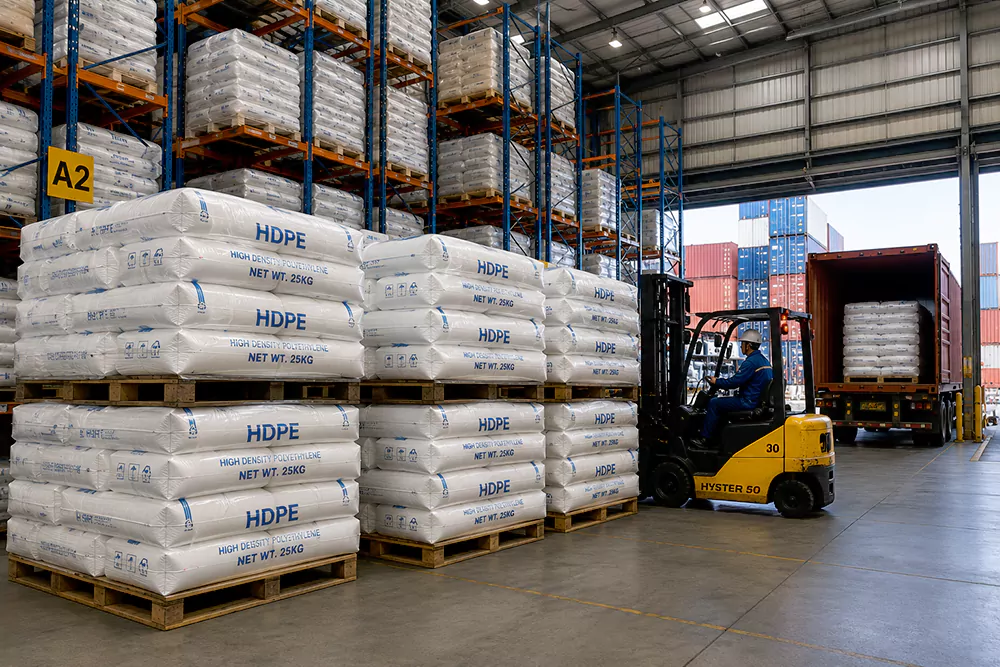
How Manufacturers Are Responding
Polymer manufacturers are taking several steps to improve operational efficiency and maintain supply reliability despite changing market conditions.
Many producers continue investing in advanced catalyst technologies, energy-efficient production processes, and modern petrochemical facilities. These improvements help increase production efficiency while supporting the manufacture of higher-performance polyethylene grades.
Companies are also expanding storage capacity, diversifying feedstock sources, and strengthening supply chain partnerships to improve resilience against future market disruptions.
These investments are expected to support long-term growth in polyethylene production while helping meet increasing global demand.
What This Means for Plastic Manufacturers
Companies that rely on polyethylene as a primary raw material should closely monitor market developments throughout 2026.
Manufacturers producing pipes, packaging films, household products, automotive components, and industrial containers may experience higher production costs if resin prices continue to rise. Strategic purchasing, long-term supplier relationships, and effective inventory planning can help reduce exposure to market volatility.
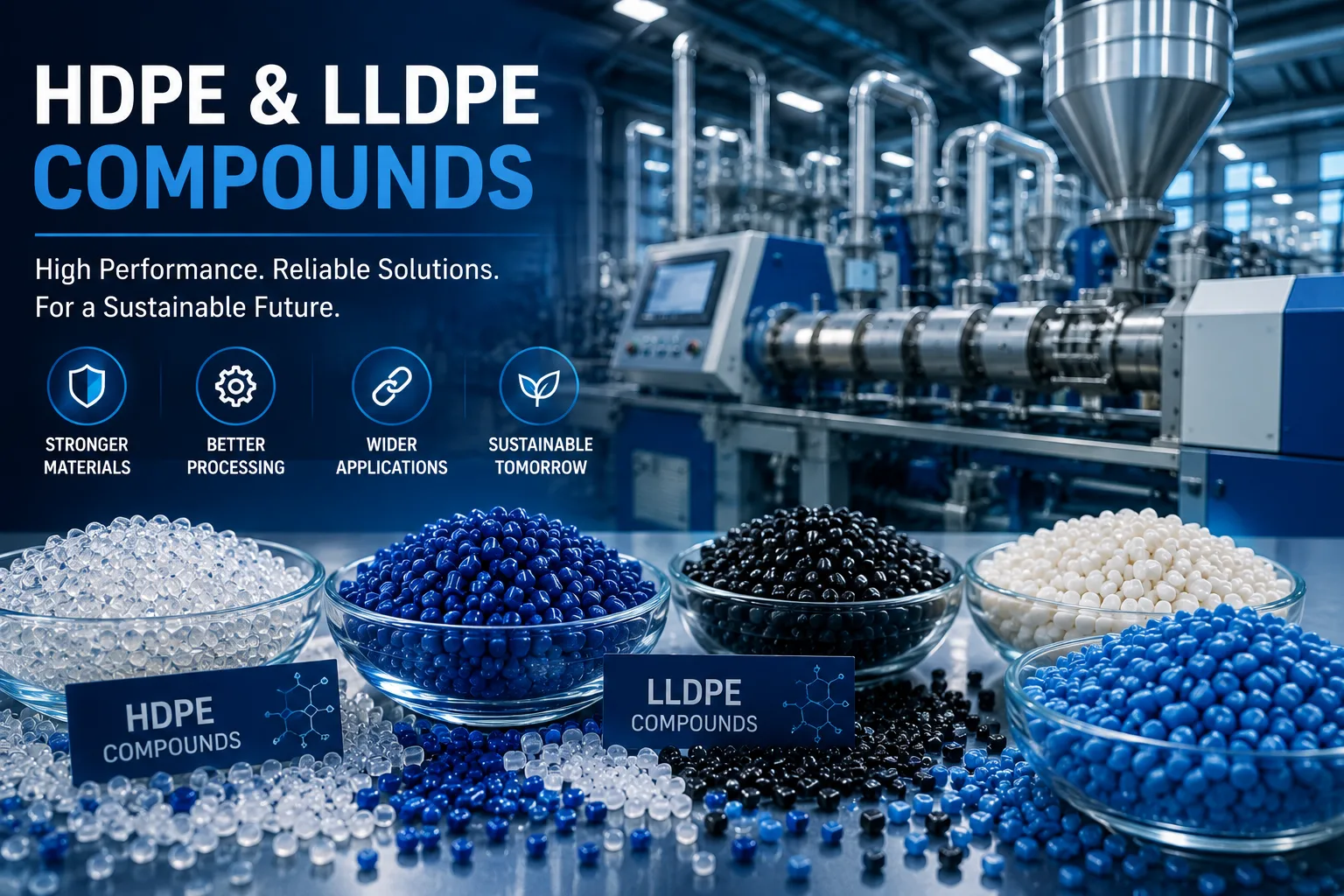
Some manufacturers are also evaluating material optimization strategies and higher-performance polymer grades that improve efficiency without compromising product quality.
Market Outlook for the Remainder of 2026
Industry analysts expect polyethylene prices to remain influenced by several interconnected factors, including feedstock costs, petrochemical production rates, global economic activity, and regional demand.
If energy prices stabilize and additional production capacity becomes available, the market may experience improved supply conditions later in the year. However, unexpected refinery outages, geopolitical events, or supply chain disruptions could continue to create short-term price fluctuations.
Businesses that remain informed about market developments will be better positioned to respond to changing procurement conditions and maintain stable production schedules.
Conclusion
Polyethylene remains one of the most essential raw materials in the global plastics industry, making price movements an important consideration for manufacturers, distributors, and end users alike. The current increase in polyethylene prices reflects a combination of higher feedstock costs, scheduled production maintenance, resilient industrial demand, and ongoing logistics challenges.
Although market conditions may continue to evolve throughout 2026, companies that monitor industry trends and work with reliable polymer suppliers can better manage procurement risks and maintain a competitive position.
For businesses seeking consistent supplies of HDPE, LDPE, LLDPE, polypropylene, polymer compounds, and other plastic raw materials, staying informed about global market developments is an important step toward making smarter purchasing decisions.
Frequently Asked Questions
Why are polyethylene prices increasing in 2026?
Polyethylene prices are rising mainly because of higher feedstock costs, scheduled petrochemical plant maintenance, supply chain constraints, and continued demand from industries such as packaging, construction, and agriculture.
Which polyethylene grades are most affected?
The current market trend affects HDPE, LDPE, and LLDPE, although the degree of price movement varies by region and application.
How do crude oil prices affect polyethylene?
Ethylene, the primary raw material for polyethylene, is derived from petrochemical feedstocks linked to crude oil and natural gas. Higher energy prices generally increase polymer production costs.
Should manufacturers expect further price increases? Future pricing will depend on global energy markets, production capacity, logistics, and regional demand. Continued market monitoring is recommended for businesses purchasing polymer raw materials.
۲ Responses
Hello, just wanted to say, I enjoyed this blog post. It was helpful.
Keep on posting!
many thanks.