
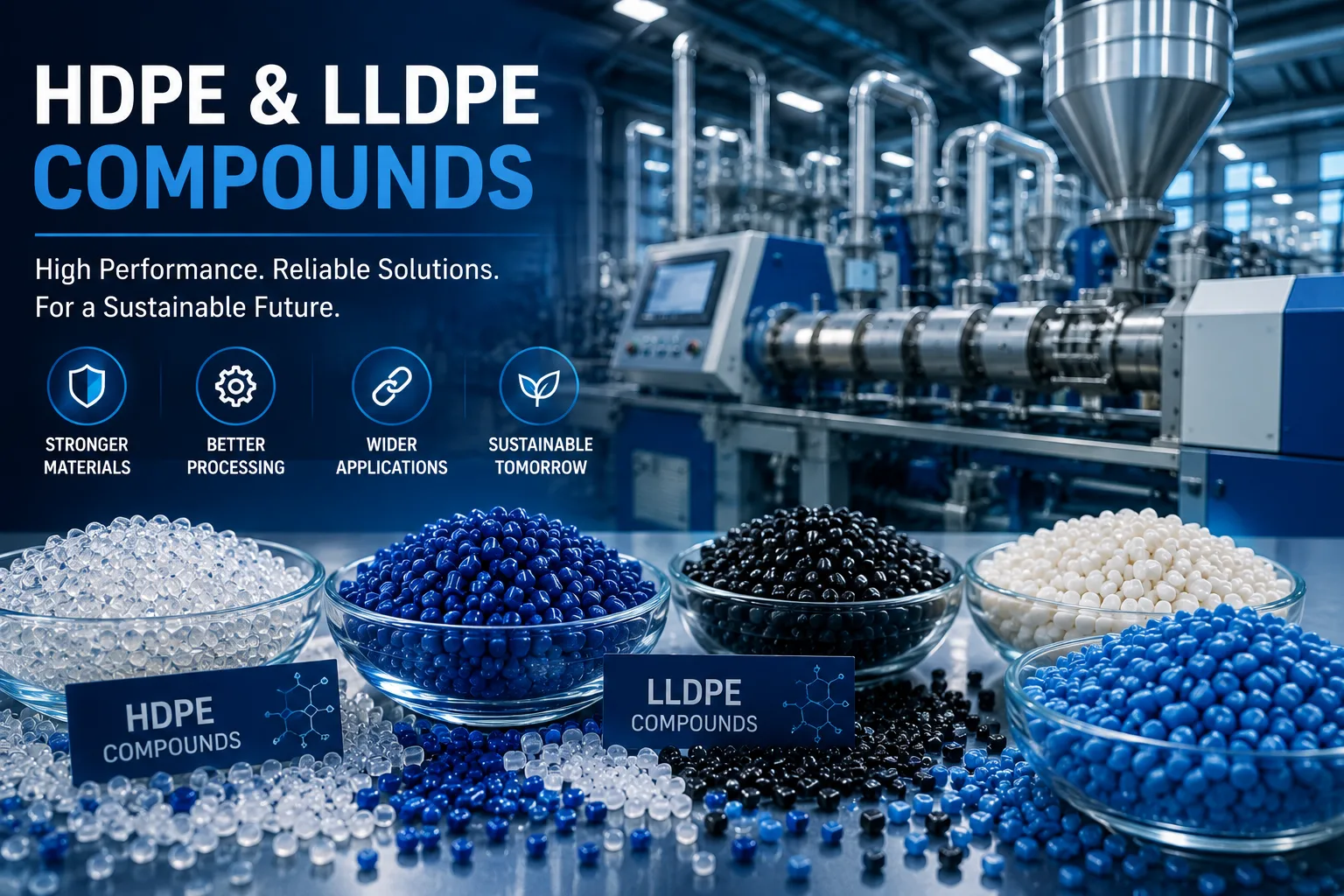
The global plastics industry is witnessing increasing demand for HDPE (High-Density Polyethylene) compounds and LLDPE Compound demand (Linear Low-Density Polyethylene) as manufacturers focus on improving product performance, durability, and processing efficiency. Across sectors including packaging, infrastructure, automotive, agriculture, and consumer goods, compound formulations are becoming essential for meeting increasingly demanding technical requirements.
As global polymer markets continue to expand in 2026, compounders and polymer suppliers are investing in advanced formulations that enhance mechanical properties, UV stability, impact resistance, and long-term product reliability. These developments are helping manufacturers optimize production while responding to evolving market demands.
Growing Demand for Specialized Polyethylene Compounds
Traditional polyethylene grades remain among the most widely used plastic materials globally. However, many modern applications require enhanced performance characteristics that standard virgin resins alone may not provide.
As a result, demand for customized HDPE and LLDPE compounds is increasing across numerous industries.
Manufacturers are seeking materials that offer:
- Improved impact resistance
- Enhanced UV protection
- Better environmental stress crack resistance
- Increased stiffness
- Improved flexibility
- Superior weather resistance
- Better processing performance
Compounding technologies allow producers to tailor polyethylene materials to specific applications while maintaining cost efficiency and production reliability.
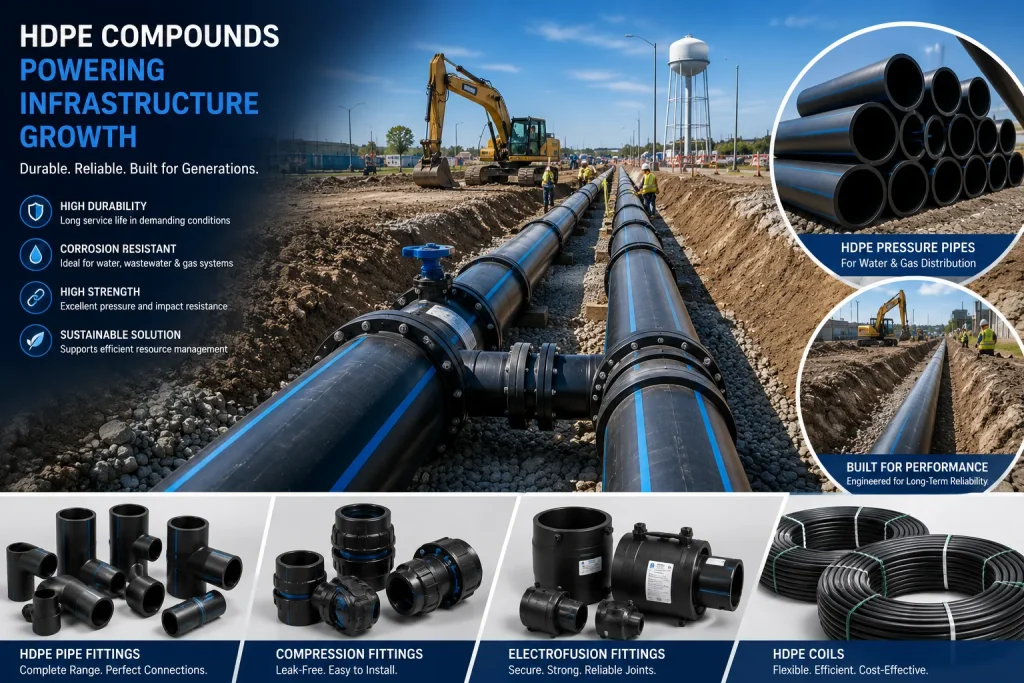
HDPE Compounds Support Infrastructure Growth
One of the strongest growth areas for HDPE compounds remains infrastructure development.
Governments and private sector investors continue expanding water distribution networks, drainage systems, gas transportation pipelines, telecommunications infrastructure, and industrial utility projects. These applications require materials capable of maintaining performance under demanding environmental conditions.
HDPE compounds are increasingly formulated with specialized additives that improve:
UV Resistance
Outdoor pipe systems are frequently exposed to sunlight for extended periods. UV-stabilized HDPE compounds help extend service life and reduce material degradation.
Long-Term Durability
Advanced compound formulations improve resistance to environmental stress cracking, helping infrastructure projects achieve longer operational lifespans.
Mechanical Strength
Enhanced HDPE compounds provide improved pressure performance and structural integrity in critical applications such as water and gas distribution systems.
These advantages continue to make HDPE compounds a preferred material for infrastructure projects worldwide.
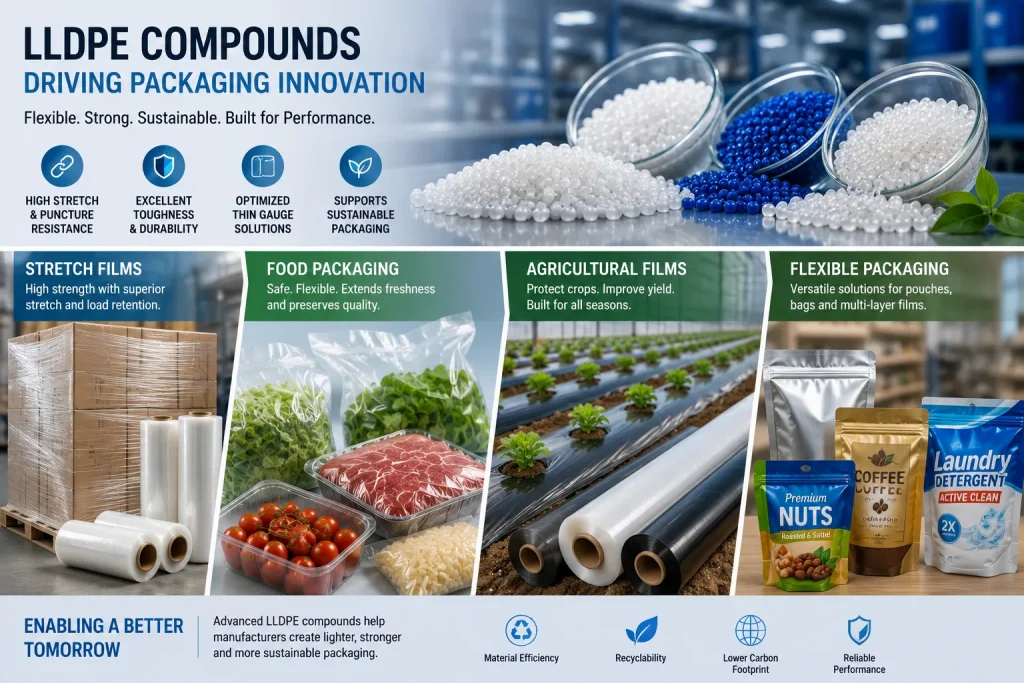
LLDPE Compound Demand Drive Packaging Innovation
While HDPE dominates many rigid applications, LLDPE compounds are becoming increasingly important in flexible packaging markets.
Packaging manufacturers continue seeking thinner films that maintain high performance while reducing material consumption. LLDPE compounds offer an effective solution due to their excellent flexibility, toughness, and puncture resistance.
Applications benefiting from LLDPE compounds include:
- Stretch films
- Shrink films
- Food packaging
- Agricultural films
- Industrial packaging
- Protective packaging materials
Modern compound formulations allow manufacturers to achieve stronger films with reduced thickness, helping lower material usage while maintaining performance standards.
Automotive Sector Expands Use of Polyethylene Compounds
Automotive manufacturers continue pursuing lightweight material solutions that improve vehicle efficiency and support sustainability objectives.
HDPE and LLDPE compounds are increasingly used in:
- Fluid reservoirs
- Interior components
- Protective covers
- Battery-related applications
- Underbody protection systems
- Storage compartments
Customized compound formulations provide improved impact resistance, dimensional stability, and durability while reducing overall vehicle weight.
As electric vehicle production continues expanding globally, demand for advanced polymer compounds is expected to grow further.
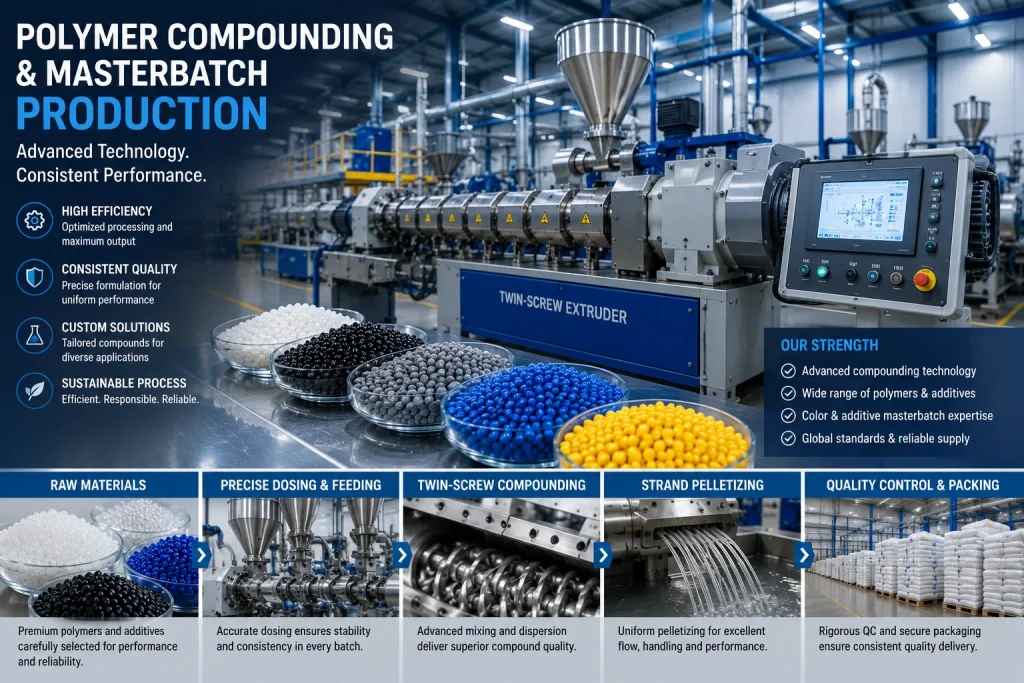
Sustainability Encourages Compound Innovation
Sustainability remains a major influence on material development throughout the plastics industry.
Compound manufacturers are responding by developing formulations that support:
- Lightweight product design
- Reduced material consumption
- Improved recyclability
- Longer product lifecycles
- More efficient processing
Many compound producers are also incorporating recycled content into selected formulations while maintaining required mechanical and processing properties.
These developments align with broader industry efforts to improve resource efficiency without compromising product quality.
Advanced Additives Enhance Performance
Modern polyethylene compounds rely on sophisticated additive technologies to achieve specific performance objectives.
Common additives include:
UV Stabilizers
Protect materials exposed to outdoor conditions and extend service life.
Antioxidants
Improve thermal stability during processing and long-term product use.
Impact Modifiers
Enhance toughness and resistance to mechanical stress.
Color Masterbatches
Provide consistent appearance and branding requirements.
Processing Aids
Improve manufacturing efficiency and product consistency.
These technologies allow compound manufacturers to create highly specialized materials for diverse industrial applications.
Regional Markets Show Continued Growth
Demand for HDPE and LLDPE compounds is growing across multiple regions as industrial activity expands.
Asia continues to lead global polymer consumption due to strong manufacturing activity and infrastructure development. Meanwhile, Middle Eastern producers are increasing investments in downstream polymer processing and compound manufacturing.
Europe and North America continue focusing on advanced formulations that support performance improvement, sustainability objectives, and specialized industrial applications.
This broad geographic demand supports positive long-term growth prospects for the polyethylene compounds sector.
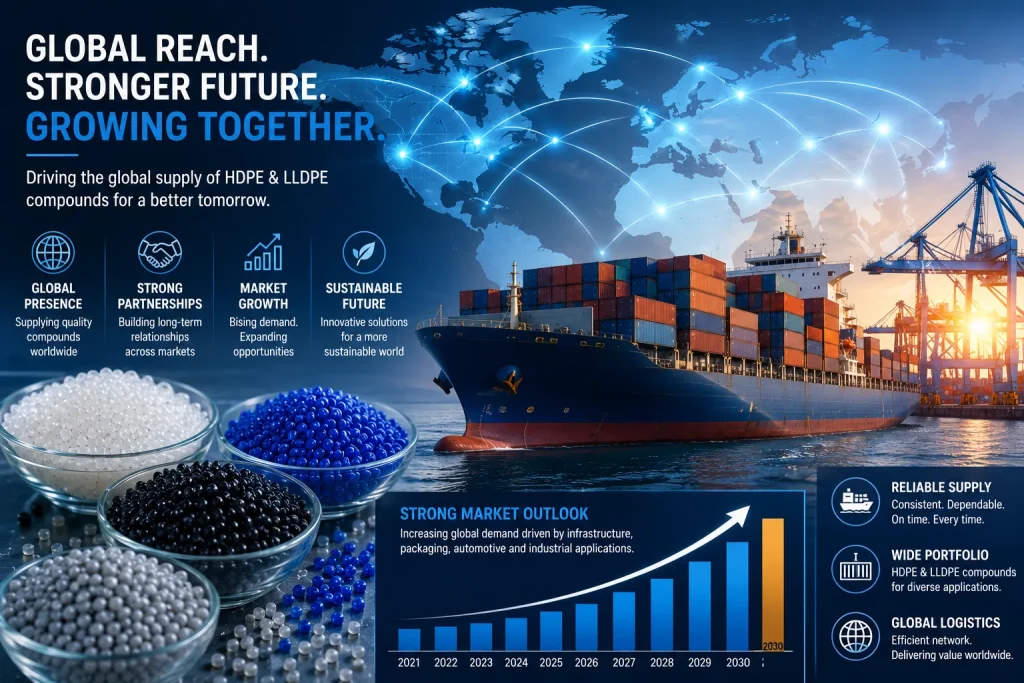
Opportunities for Compound Manufacturers and Distributors
The growing use of customized materials presents significant opportunities for compound producers, masterbatch manufacturers, and polymer distributors.
Customers increasingly require technical support in selecting materials that balance performance, processing efficiency, and cost considerations.
Suppliers capable of offering:
- Consistent product quality
- Reliable supply
- Technical expertise
- Customized formulations
- Global logistics support
will be well positioned to benefit from continued market expansion.
The ability to develop application-specific compounds is becoming an increasingly important competitive advantage within the polymer industry.
Market Outlook
Industry experts expect demand for HDPE and LLDPE compounds to remain strong throughout 2026 and beyond.
Infrastructure investment, packaging innovation, automotive lightweighting, and sustainability initiatives are expected to continue driving market growth. At the same time, advances in additive technologies and compounding techniques will create new opportunities for material optimization.
As manufacturers seek higher-performance plastic solutions, compound formulations will play an increasingly important role in supporting product innovation and industrial efficiency.
Conclusion
HDPE and LLDPE compounds are becoming essential materials in modern manufacturing as industries demand improved performance, durability, and processing efficiency. From infrastructure and packaging to automotive and consumer products, customized polyethylene formulations are helping manufacturers meet evolving technical requirements while supporting long-term sustainability goals.
With global demand continuing to rise and new compounding technologies emerging, the outlook for HDPE and LLDPE compounds remains highly positive. Companies that invest in innovation, technical expertise, and reliable supply capabilities will be well positioned to capitalize on future growth opportunities within the global polymer market.
Frequently Asked Questions
What are HDPE compounds?
HDPE compounds are customized polyethylene materials produced by combining HDPE resin with additives, fillers, stabilizers, or color masterbatches to improve performance characteristics.
What are LLDPE compounds used for?
LLDPE compounds are commonly used in flexible packaging, stretch films, agricultural films, industrial packaging, and protective film applications due to their toughness and flexibility.
Why is demand for polyethylene compounds increasing?
Manufacturers require enhanced material properties such as UV resistance, impact strength, durability, and improved processability, which can be achieved through advanced compounding technologies.
Which industries use HDPE and LLDPE compounds the most?
Infrastructure, packaging, agriculture, automotive, construction, and consumer goods industries are among the largest users of polyethylene compounds.