
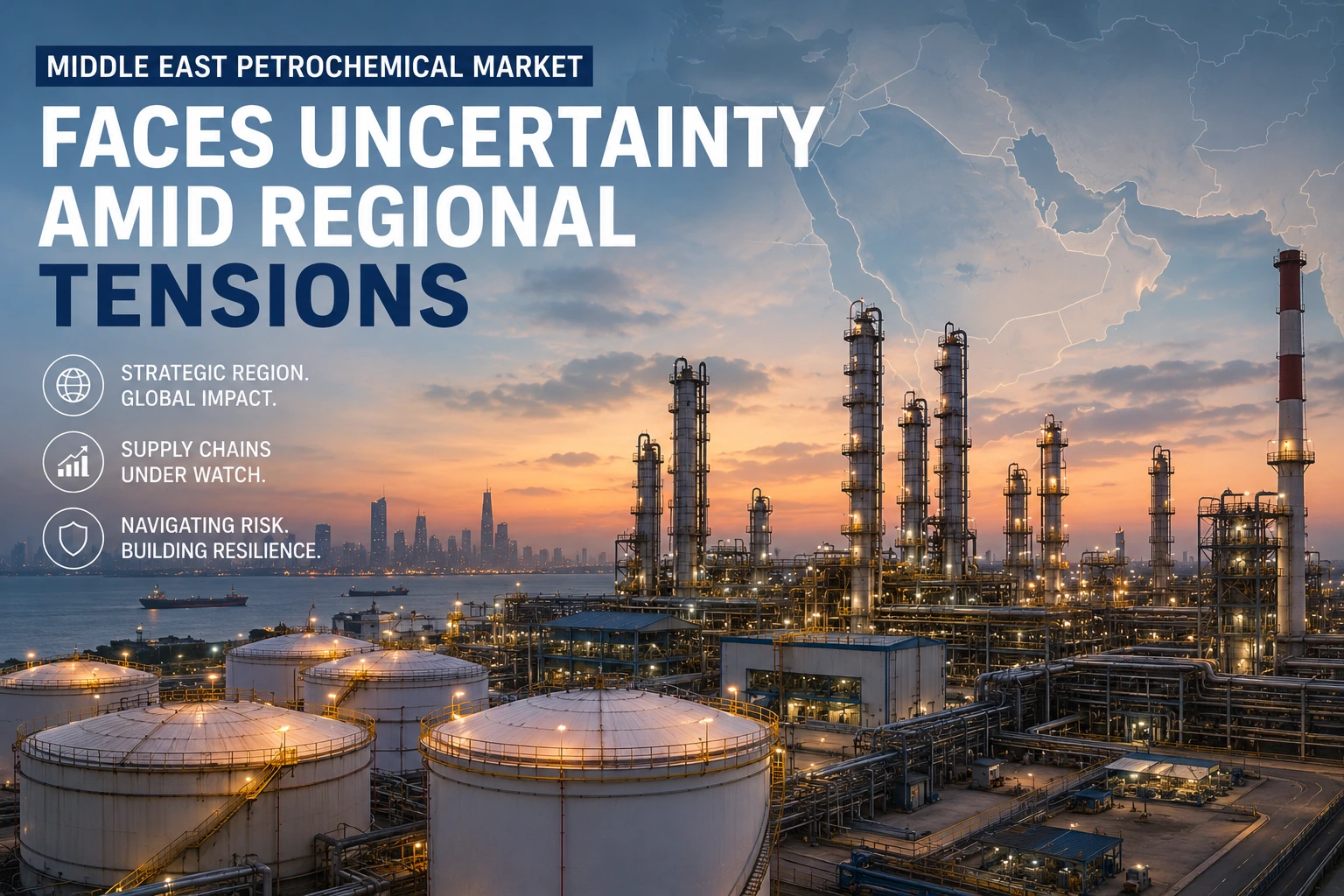
The Middle East petrochemical market is closely monitoring escalating geopolitical tensions involving Iran and the United States, as concerns over regional stability continue to influence global energy and chemical markets. While the region remains one of the world’s most important hubs for petrochemical production, uncertainty surrounding diplomatic relations, maritime security, and energy infrastructure is prompting market participants to reassess supply chain risks and future investment strategies.
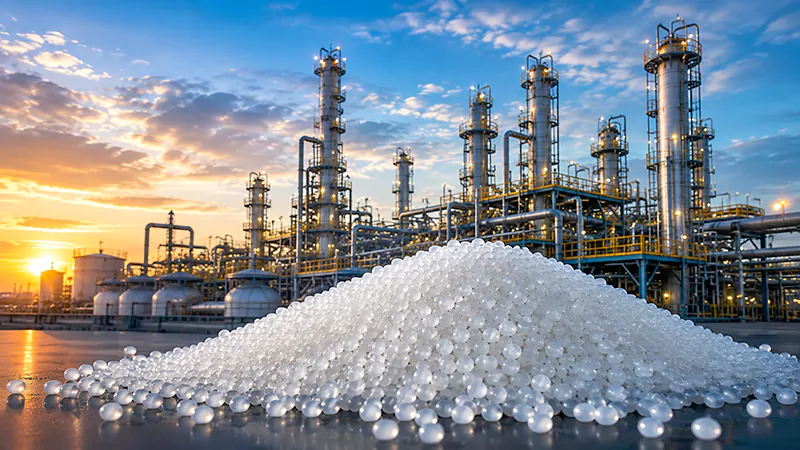
As of 2026, Middle Eastern petrochemical producers remain major suppliers of polyethylene (PE), polypropylene (PP), methanol, aromatics, and other essential feedstocks used by manufacturers worldwide. Any disruption affecting regional energy flows or industrial operations has the potential to influence pricing, logistics, and global supply availability.
Strategic Importance of the Middle East Petrochemical Sector
The Middle East accounts for a significant share of global petrochemical production due to its access to competitive hydrocarbon feedstocks and large-scale integrated manufacturing facilities.
Countries including Saudi Arabia, the United Arab Emirates, Qatar, Kuwait, Oman, and Iran have invested heavily in petrochemical infrastructure over the past two decades. These investments have enabled the region to become a leading exporter of:
- Polyethylene (HDPE, LDPE, LLDPE)
- Polypropylene (PP)
- Ethylene
- Propylene
- Methanol
- Aromatics
- Polymer compounds
- Industrial chemicals
These materials are essential for industries ranging from packaging and automotive manufacturing to construction, healthcare, agriculture, and consumer goods.
Because of the region’s critical role in global supply chains, geopolitical developments are closely watched by polymer producers, converters, distributors, and industrial buyers worldwide.
Rising Tensions Increase Market Uncertainty
Recent diplomatic and security tensions between Iran and the United States have contributed to increased volatility across energy and commodity markets.
Market participants are primarily concerned about potential disruptions affecting:
- Shipping routes
- Energy exports
- Feedstock availability
- Regional logistics networks
- Industrial investment decisions
Although petrochemical production facilities throughout the Gulf region continue operating normally, businesses remain cautious regarding potential geopolitical developments that could impact regional trade flows.
Historically, periods of heightened geopolitical uncertainty have resulted in increased freight costs, insurance premiums, and commodity price fluctuations, particularly for products linked to energy markets.
Strait of Hormuz Remains a Critical Trade Corridor
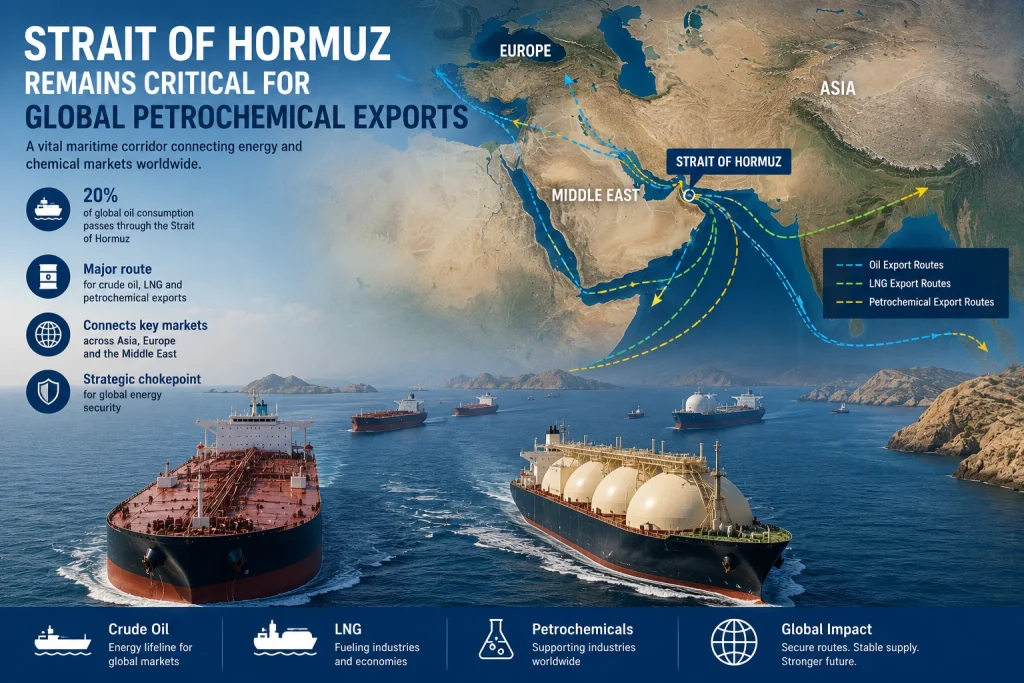
One of the most closely monitored factors is the Strait of Hormuz, a strategically important maritime passage connecting Gulf producers with international markets.
A substantial portion of global crude oil, liquefied natural gas (LNG), and petrochemical exports passes through this narrow waterway.
Any disruption to shipping activities could affect:
- Feedstock transportation
- Polymer exports
- Raw material imports
- Global supply chains
- International freight rates
Although international shipping continues moving through the region, logistics companies and industrial buyers continue evaluating contingency plans to minimize potential supply risks.
For petrochemical producers and distributors, maintaining diversified logistics networks has become an increasingly important business priority.
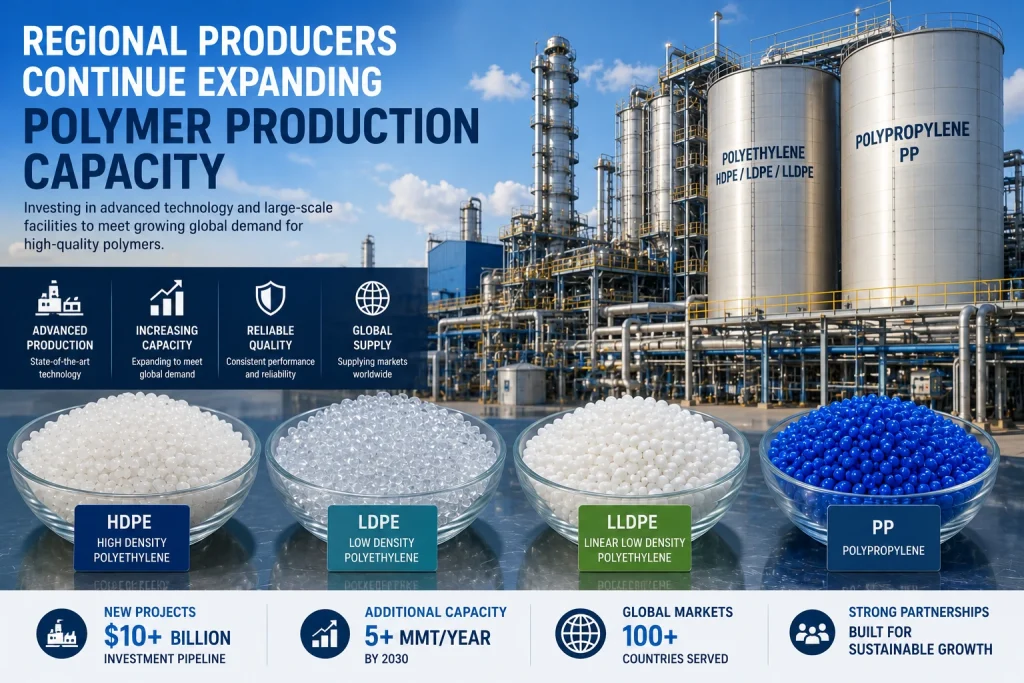
Polymer Markets Monitor Feedstock Developments
Polyethylene and polypropylene markets are particularly sensitive to developments affecting feedstock costs.
Ethylene and propylene production depend heavily on hydrocarbon feedstocks derived from oil and natural gas processing. As a result, fluctuations in energy markets often influence polymer production economics.
Should regional tensions contribute to higher energy prices, producers may experience increased manufacturing costs that could ultimately influence polymer pricing across international markets.
HDPE, LDPE, LLDPE, and polypropylene buyers are therefore paying close attention to developments that may affect future supply-demand balances.
Investment Decisions Face Additional Scrutiny
The Middle East continues attracting substantial investment in petrochemical manufacturing despite geopolitical challenges.
Several major expansion projects remain underway across the Gulf Cooperation Council (GCC) region as producers seek to increase downstream value creation and diversify national economies.
However, investors are placing greater emphasis on:
- Supply chain resilience
- Political risk assessment
- Export market diversification
- Infrastructure security
- Long-term operational stability
Many industry analysts believe that regional producers with integrated operations, diversified export markets, and strong logistics capabilities will remain well-positioned despite periods of uncertainty.
Opportunities for Alternative Supply Sources
Periods of geopolitical uncertainty often encourage buyers to diversify procurement strategies.
Polymer converters and manufacturers are increasingly exploring multiple sourcing options to reduce dependence on any single production region.
This trend may create opportunities for producers and distributors operating in:
- Asia
- Europe
- North America
- Africa
- Emerging petrochemical markets
At the same time, Middle Eastern producers continue benefiting from competitive production costs, large-scale manufacturing facilities, and established global customer relationships.
As a result, the region is expected to remain a central pillar of global petrochemical supply despite evolving geopolitical conditions.
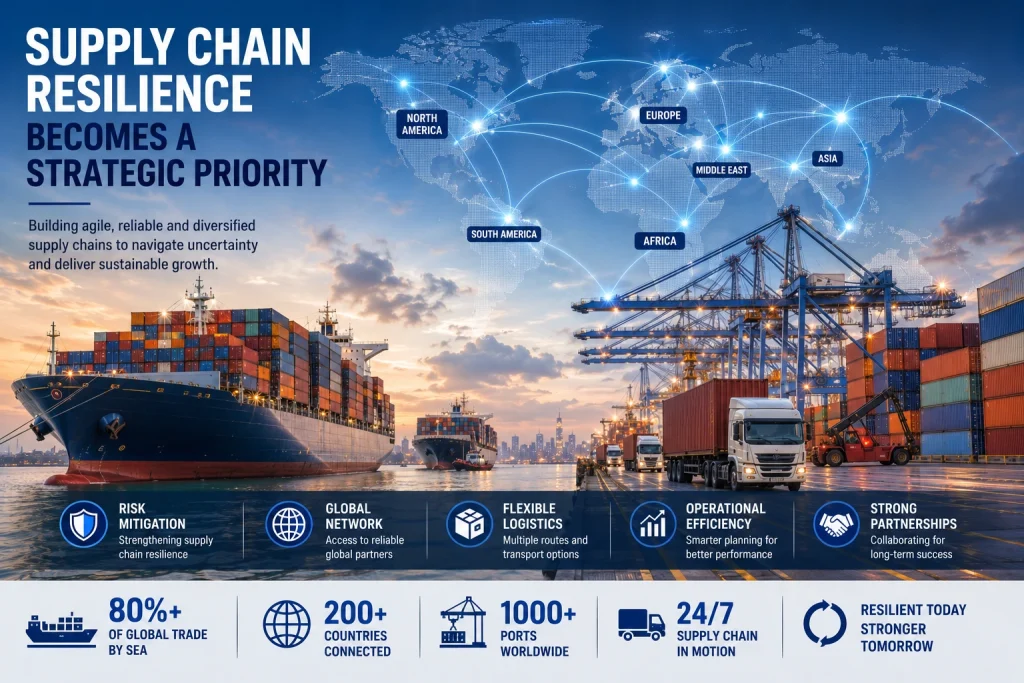
Supply Chain Resilience Becomes a Competitive Advantage
Recent market developments have reinforced the importance of supply chain resilience throughout the petrochemical industry.
Many companies are strengthening inventory management practices and expanding supplier networks to improve operational flexibility.
Key strategies include:
- Diversified sourcing
- Strategic inventory planning
- Regional warehousing
- Alternative transportation routes
- Long-term supply agreements
These measures help manufacturers maintain production continuity during periods of market uncertainty.
For distributors and suppliers, reliable logistics and transparent communication have become increasingly important competitive differentiators.
Outlook for the Middle East Petrochemical Market
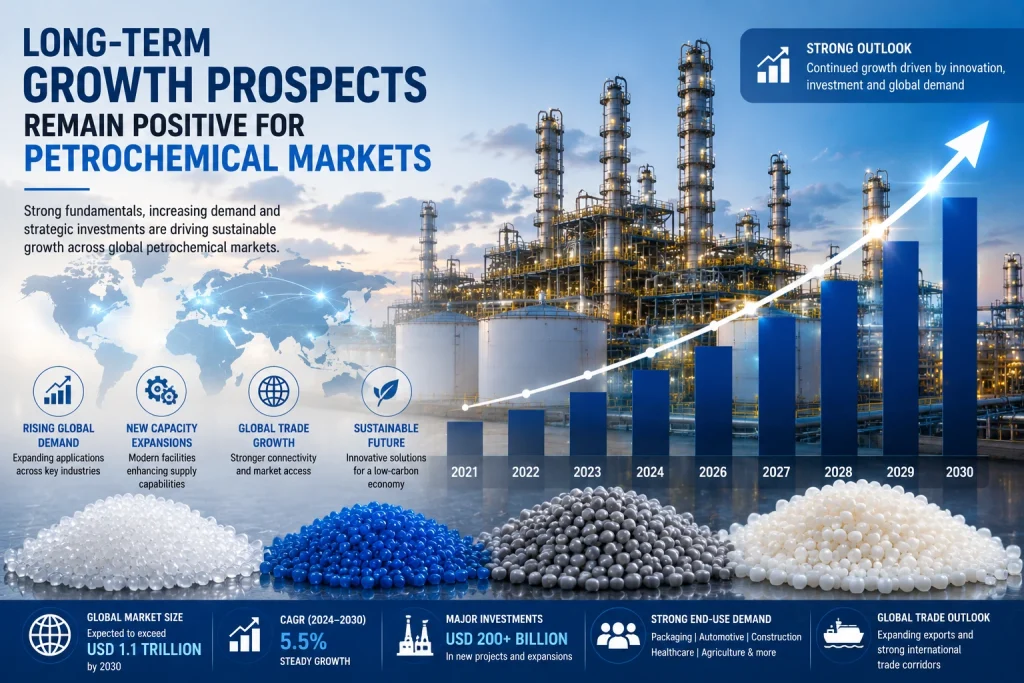
Despite geopolitical concerns, the long-term outlook for the Middle East petrochemical industry remains positive.
The region continues to benefit from:
- Abundant hydrocarbon resources
- Modern petrochemical infrastructure
- Competitive feedstock costs
- Strategic export locations
- Ongoing industrial investment
While short-term market volatility may persist as geopolitical developments unfold, demand fundamentals for petrochemical products remain strong.
Global consumption of polyethylene, polypropylene, engineering plastics, polymer compounds, and specialty materials continues growing due to expanding industrial activity and infrastructure development worldwide.
Industry participants expect regional producers to remain major contributors to global polymer and petrochemical supply chains throughout 2026 and beyond.
Conclusion
Growing tensions between Iran and the United States have introduced additional uncertainty into global energy and petrochemical markets. Although no widespread disruption to regional petrochemical production has occurred, businesses across the industry are closely monitoring developments that could affect shipping routes, feedstock costs, logistics networks, and investment decisions.
For polymer manufacturers, compound producers, distributors, and industrial buyers, maintaining supply chain flexibility and market awareness will remain essential. As geopolitical dynamics continue evolving, the Middle East’s role as a critical supplier of petrochemical products ensures that regional developments will remain an important factor shaping global polymer markets.
Frequently Asked Questions
Why are Iran–US tensions important for petrochemical markets?
Because geopolitical tensions can affect energy prices, shipping routes, feedstock availability, and overall market confidence, all of which influence petrochemical supply chains.
How could tensions affect polyethylene and polypropylene markets?
Potential impacts include changes in feedstock costs, freight rates, insurance expenses, and supply chain planning, which may influence market pricing and availability.
Is the Strait of Hormuz important for petrochemical exports?
Yes. The Strait of Hormuz is one of the world’s most important shipping corridors for energy products and petrochemical exports from Gulf producers.
Will the Middle East remain a major petrochemical supplier?
Despite geopolitical challenges, the region is expected to remain one of the world’s leading petrochemical production centers due to its competitive feedstocks and extensive industrial infrastructure.