
The global polymer industry continues to demonstrate resilience and adaptability despite evolving economic conditions, fluctuating feedstock costs, and changing international trade dynamics. In 2026, the market is being shaped by a combination of expanding petrochemical investments, growing industrial demand, technological innovation, and increasing emphasis on sustainable manufacturing practices.
Polymers remain essential raw materials across virtually every major industry. From food packaging and healthcare to automotive manufacturing, construction, agriculture, electronics, and consumer goods, modern economies depend heavily on reliable supplies of high-quality polymer materials.
As producers expand capacity and manufacturers seek advanced materials with improved performance, the global polymer market is entering a new phase of growth characterized by innovation, efficiency, and strategic investment.
Strong Demand Continues Across Major Industries
Demand for polymer materials remains strong across both developed and emerging markets. Population growth, urbanization, infrastructure expansion, and rising consumer demand continue to support long-term polymer consumption.
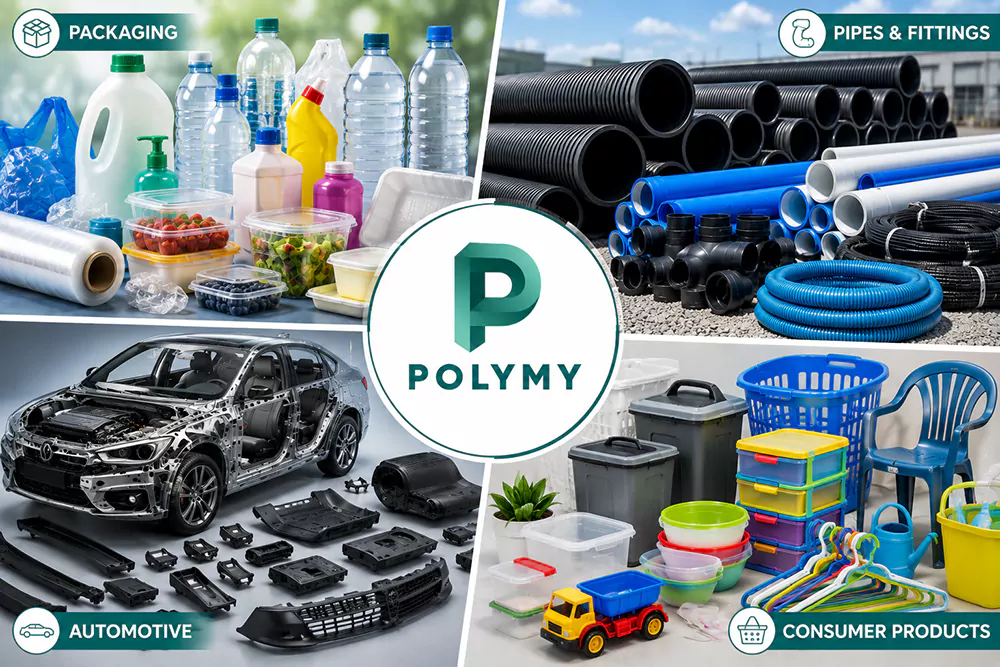
Packaging remains the largest application segment, driven by increasing demand for flexible packaging, rigid containers, protective films, and food-safe materials. Polyethylene (PE) and polypropylene (PP) continue to dominate this sector due to their versatility, lightweight characteristics, and excellent processing performance.
Construction also represents a major growth driver. HDPE pipes, geomembranes, insulation materials, and plastic building products are increasingly used in water infrastructure, energy projects, telecommunications, and urban development.
Meanwhile, the automotive industry continues replacing heavier metal components with lightweight polymer materials to improve fuel efficiency, reduce emissions, and enhance vehicle performance.
These diverse applications ensure that global demand for polymer raw materials remains broad-based and resilient.
Petrochemical Investments Are Expanding Global Capacity
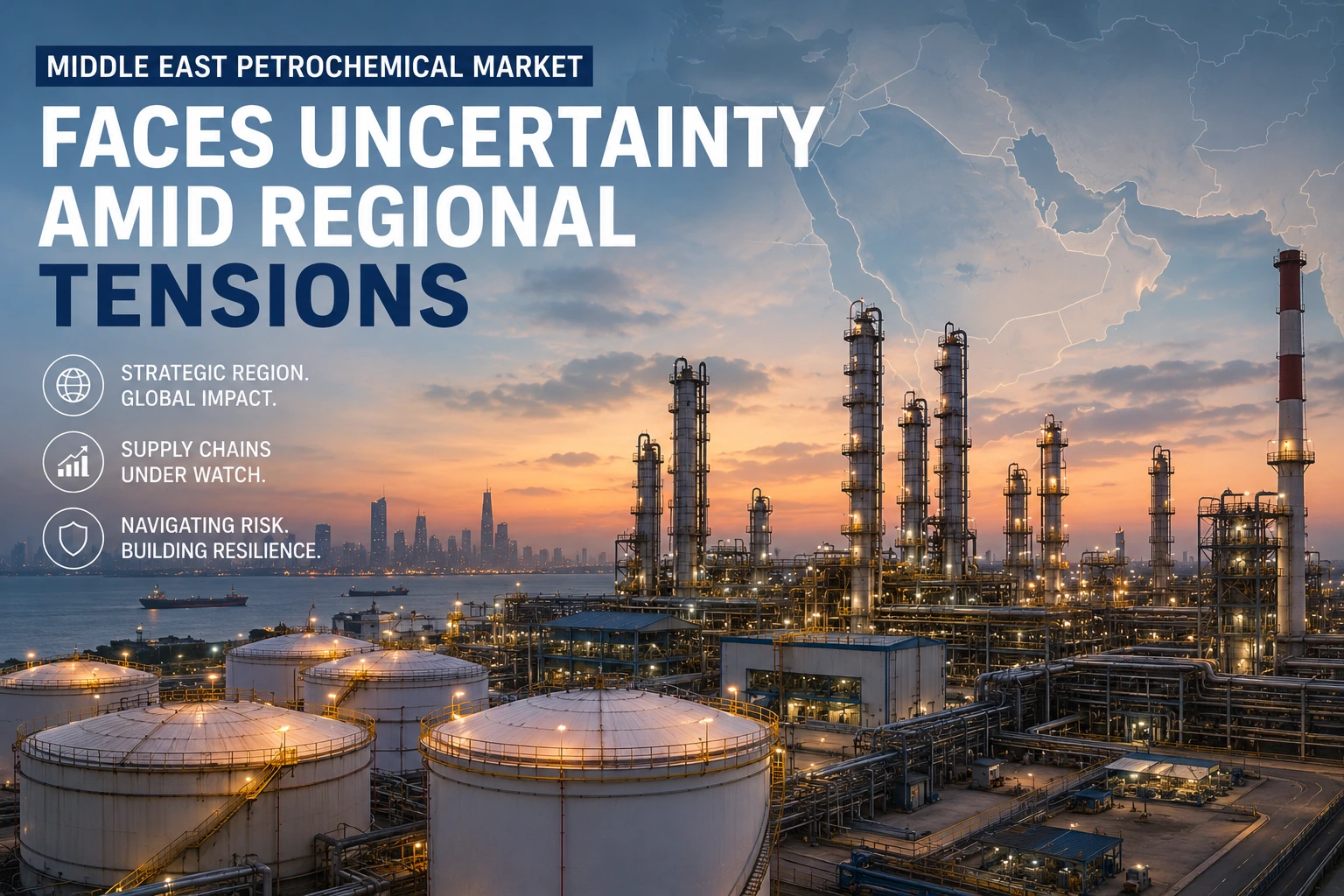
One of the defining trends of 2026 is the continued investment in petrochemical production facilities around the world.
Leading producers are expanding polyethylene and polypropylene production through new integrated petrochemical complexes, modernization projects, and advanced catalyst technologies. Significant investments are taking place across the Middle East, Asia, and other major manufacturing regions where competitive feedstock availability supports long-term production growth.
These projects are designed not only to increase output but also to manufacture higher-value polymer grades that meet increasingly demanding technical specifications.
Expanded production capacity is expected to improve supply reliability while supporting continued industrial growth across international markets.
Polyethylene and Polypropylene Remain Market Leaders
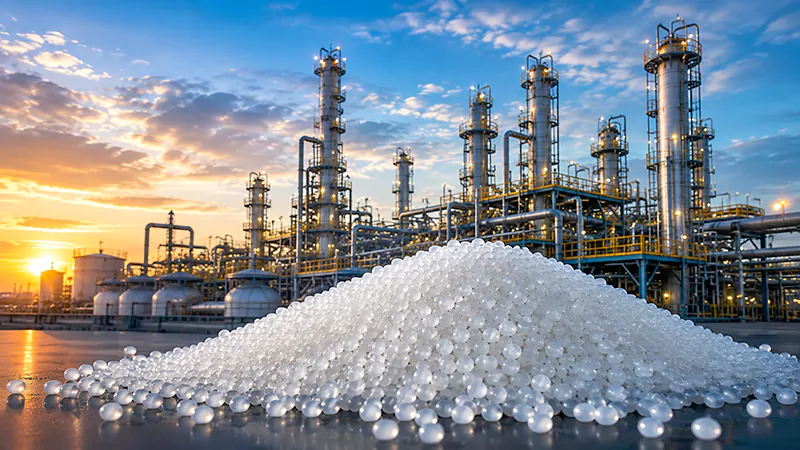
Among all commodity polymers, polyethylene and polypropylene continue to account for the largest share of global production.
Polyethylene (PE)
Polyethylene remains indispensable for:
- Flexible packaging
- Blow-molded containers
- Water and gas pipes
- Agricultural films
- Industrial packaging
- Household products
Growing investment in premium polyethylene grades, including metallocene polyethylene and bimodal HDPE, is helping manufacturers produce stronger, lighter, and more durable plastic products.
Polypropylene (PP)
Polypropylene continues gaining popularity because of its excellent balance of strength, chemical resistance, and cost efficiency.
Common applications include:
- Automotive components
- Medical devices
- Food packaging
- Injection molding
- Household appliances
- Industrial storage solutions
- Textile fibers
The versatility of PP makes it one of the fastest-growing materials in numerous industrial sectors.
Technology Is Transforming Polymer Manufacturing
Digital transformation is becoming an increasingly important competitive advantage within the polymer industry.
Manufacturers are investing in:
- Artificial intelligence for process optimization
- Automated quality control systems
- Digital plant monitoring
- Predictive maintenance
- Advanced catalyst technologies
- Energy-efficient production systems
These innovations improve product consistency, reduce manufacturing costs, minimize waste, and increase operational efficiency.
In addition, advanced catalyst systems enable producers to manufacture specialized polymer grades tailored to specific customer requirements, opening new opportunities for high-performance applications.
Sustainability Continues to Shape Industry Strategy
Environmental responsibility remains a central focus throughout the polymer value chain.
Rather than replacing conventional polymers entirely, many companies are concentrating on making polymer production and usage more resource-efficient.
Key industry initiatives include:
- Lightweight packaging designs
- Improved recyclability
- Mechanical recycling technologies
- Chemical recycling investments
- Reduced energy consumption
- Lower greenhouse gas emissions
- Circular economy initiatives
Manufacturers are also developing polymer formulations that maintain high performance while reducing overall material consumption.
These developments demonstrate that sustainability and industrial performance are increasingly viewed as complementary objectives.
Supply Chain Resilience Becomes a Strategic Priority
Recent years have highlighted the importance of reliable supply chains for polymer manufacturers and industrial buyers.
To improve resilience, producers are diversifying production locations, expanding storage capacity, and strengthening relationships with logistics providers and regional distributors.
Many companies are also investing in localized production facilities to reduce transportation risks and improve delivery reliability.
For manufacturers, dependable access to polymer raw materials remains essential for maintaining production schedules and meeting customer demand.
Growing Demand for Polymer Compounds and Masterbatches
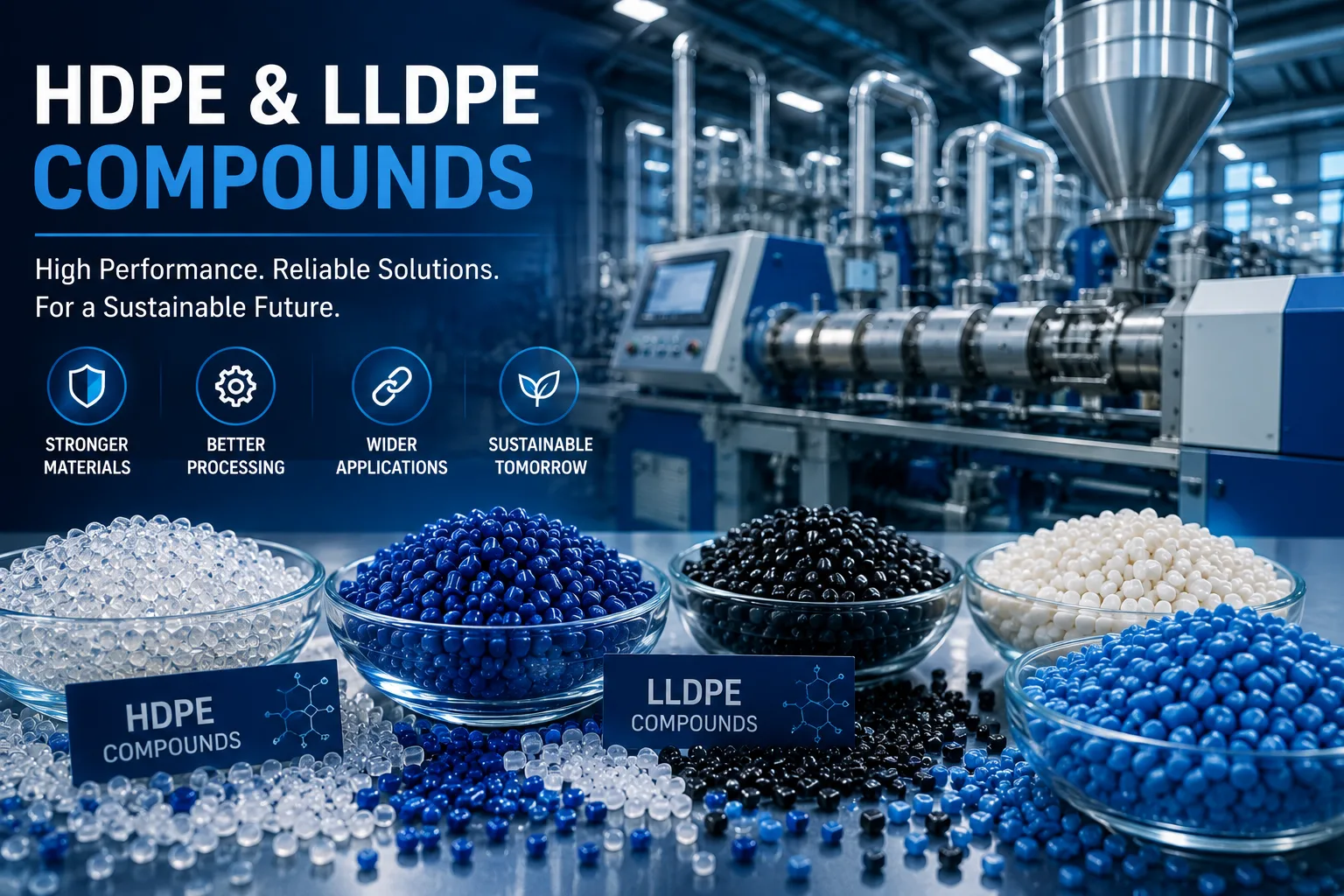
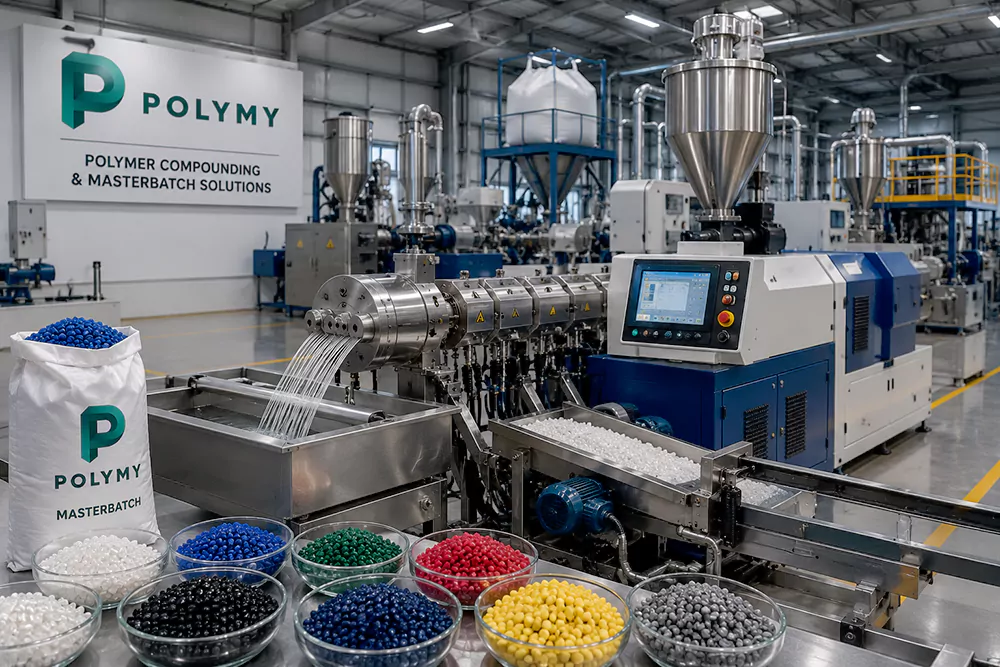
As manufacturing becomes more specialized, demand for customized polymer compounds and masterbatches continues to increase.
Manufacturers increasingly require materials with specific characteristics such as:
- UV resistance
- Flame retardancy
- Impact modification
- Color consistency
- Improved processability
- Enhanced mechanical strength
Polymer compounds and masterbatches enable processors to optimize product performance while reducing manufacturing complexity.
This trend creates new opportunities for suppliers capable of delivering consistent quality and customized material solutions.
Opportunities for Global Polymer Suppliers
The evolving polymer market presents significant opportunities for manufacturers, exporters, distributors, and industrial suppliers.
Businesses that provide reliable supply, technical expertise, and consistent product quality are well positioned to support customers across a wide range of industries.
As international trade continues expanding, companies with diversified product portfolios—including polyethylene, polypropylene, polymer compounds, masterbatches, and other plastic raw materials—can strengthen their competitive position by responding quickly to changing market requirements.
Long-term customer partnerships, technical support, and dependable logistics are expected to remain important differentiators in an increasingly competitive marketplace.
Market Outlook
The outlook for the global polymer industry during 2026 remains positive despite ongoing market challenges.
Continued investment in petrochemical infrastructure, improvements in manufacturing technology, expanding industrial applications, and growing global demand are expected to support steady market development.
Although short-term fluctuations in feedstock prices and regional supply conditions may continue to influence pricing, the long-term fundamentals of the polymer industry remain strong.
Companies that monitor market developments, embrace innovation, and establish reliable supply partnerships will be well positioned to benefit from future growth opportunities.
Conclusion
The global polymer market continues to evolve through investment, technological advancement, and expanding industrial demand. Polyethylene, polypropylene, polymer compounds, and masterbatches remain indispensable materials for modern manufacturing, supporting industries ranging from infrastructure and packaging to healthcare and automotive production.
As the industry enters the second half of 2026, businesses that prioritize innovation, supply chain resilience, and customer-focused solutions will be best equipped to navigate changing market conditions and capitalize on emerging opportunities.
For manufacturers seeking dependable sources of polymer raw materials, staying informed about global market trends is essential for making strategic purchasing decisions and maintaining long-term competitiveness.
Frequently Asked Questions
What factors are driving the global polymer market in 2026?
The market is being driven by industrial demand, petrochemical investments, technological innovation, infrastructure development, and continued growth in packaging, automotive, healthcare, and construction.
Which polymers dominate the global market?
Polyethylene (HDPE, LDPE, and LLDPE) and polypropylene (PP) remain the most widely produced and consumed polymers due to their versatility and broad range of applications.
Why are polymer compounds and masterbatches becoming more important?
Manufacturers increasingly require customized materials with enhanced properties such as UV resistance, flame retardancy, color consistency, and improved mechanical performance, making compounds and masterbatches an essential part of modern plastics manufacturing.
How is sustainability influencing the polymer industry?
Companies are investing in recycling technologies, lightweight product design, energy-efficient production, and circular economy initiatives while continuing to improve the performance and efficiency of conventional polymer materials.