
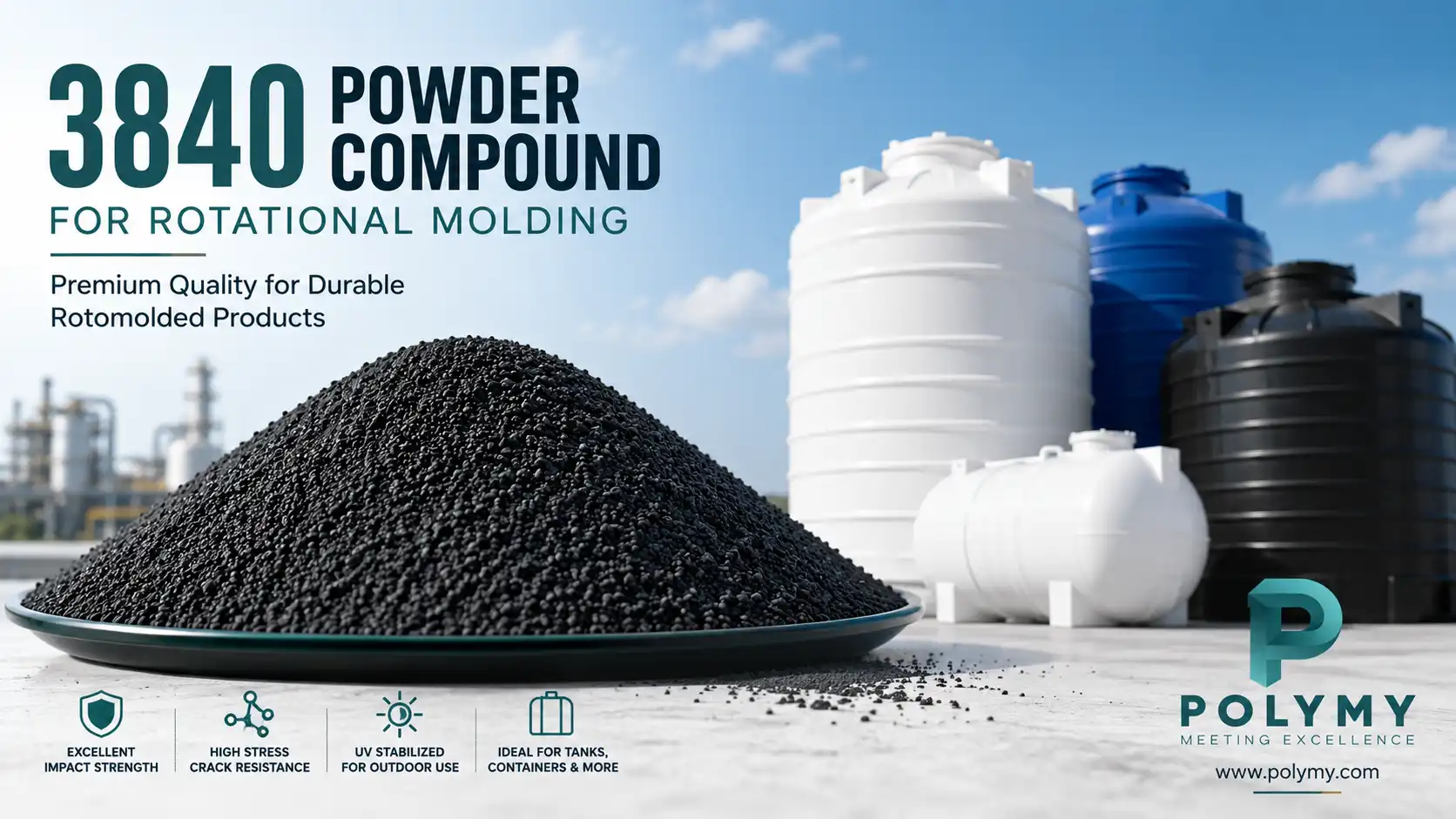
3840 powder compound is a polyethylene-based material widely used in rotational molding to manufacture large hollow plastic products such as water tanks, chemical containers, agricultural tanks, septic tanks, bins, boats, and other industrial products.
The combination of good processability, impact strength, environmental stress crack resistance, surface finish, and UV stabilization makes 3840-based materials particularly suitable for demanding rotational molding applications.
For manufacturers and international buyers, however, choosing the right 3840 powder compound involves more than simply selecting a grade number. Powder particle size, melt flow, density, additive package, UV stabilization, color, processing consistency, and quality control can all influence the final product.
This guide explains what 3840 powder compound is, how it is used, which properties matter, and what international buyers should consider when sourcing 3840 powder from Iran.
What Is 3840 Powder Compound?
3840 is a polyethylene grade commonly associated with rotational molding applications. Depending on the producer and formulation, 3840 materials can be classified within the medium-density polyethylene/polyethylene family and may use a butene comonomer.
Commercial technical information for 3840 grades describes characteristics such as good impact strength, surface finish, stress-crack resistance and suitability for rotational molding.
The material can be supplied as resin, compound, or processed powder.
A 3840 powder compound is generally prepared by combining the polyethylene base material with the required additives, pigments and stabilizers, followed by extrusion, pelletizing where applicable, and grinding or pulverizing into a powder suitable for rotational molding.
This distinction is important:
3840 resin and 3840 powder compound are not necessarily the same commercial product.
A rotomolding manufacturer normally needs a powder with controlled particle-size distribution and flow characteristics rather than ordinary polymer granules.
Why Is 3840 Powder Used in Rotational Molding?
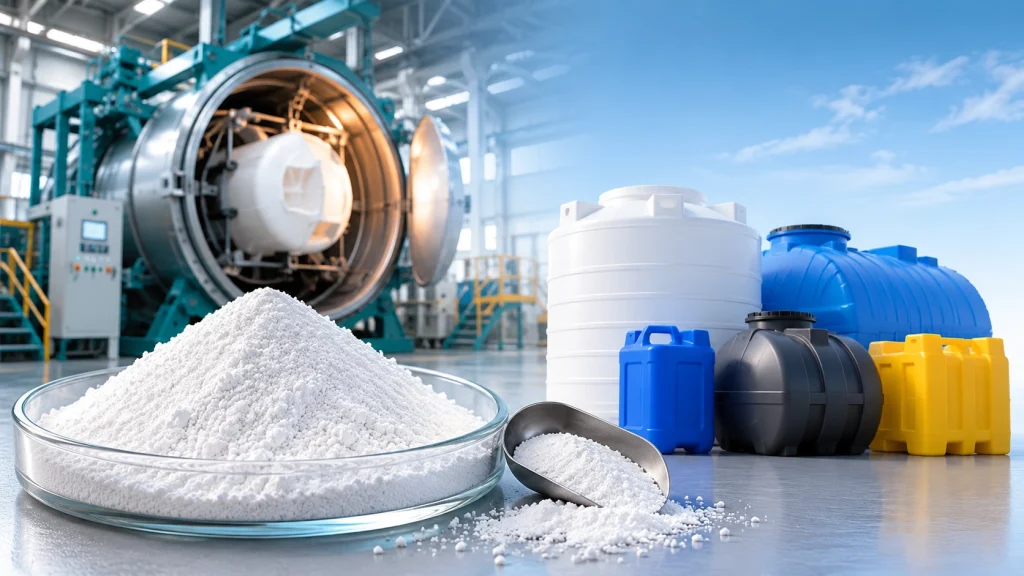
Rotational molding is particularly suitable for manufacturing large, hollow and seamless plastic products.
During the process, polymer powder is placed inside a mold. The mold is heated while rotating around two axes. As the polymer melts, it gradually coats the internal surface of the mold. The mold then cools while continuing to rotate, allowing the polymer layer to solidify.
This makes powder quality extremely important.
A suitable rotational molding material needs to:
- Melt consistently
- Flow across the mold surface
- Produce uniform wall thickness
- Minimize defects
- Provide good surface appearance
- Maintain mechanical strength
- Resist environmental stress cracking
- Provide suitable impact resistance
- Remain stable under outdoor conditions
3840 grades are specifically marketed for rotational molding applications, including tanks and containers.
Key Properties of 3840 Rotomolding Compound
The exact properties of a 3840 compound depend on the manufacturer, formulation and testing method.
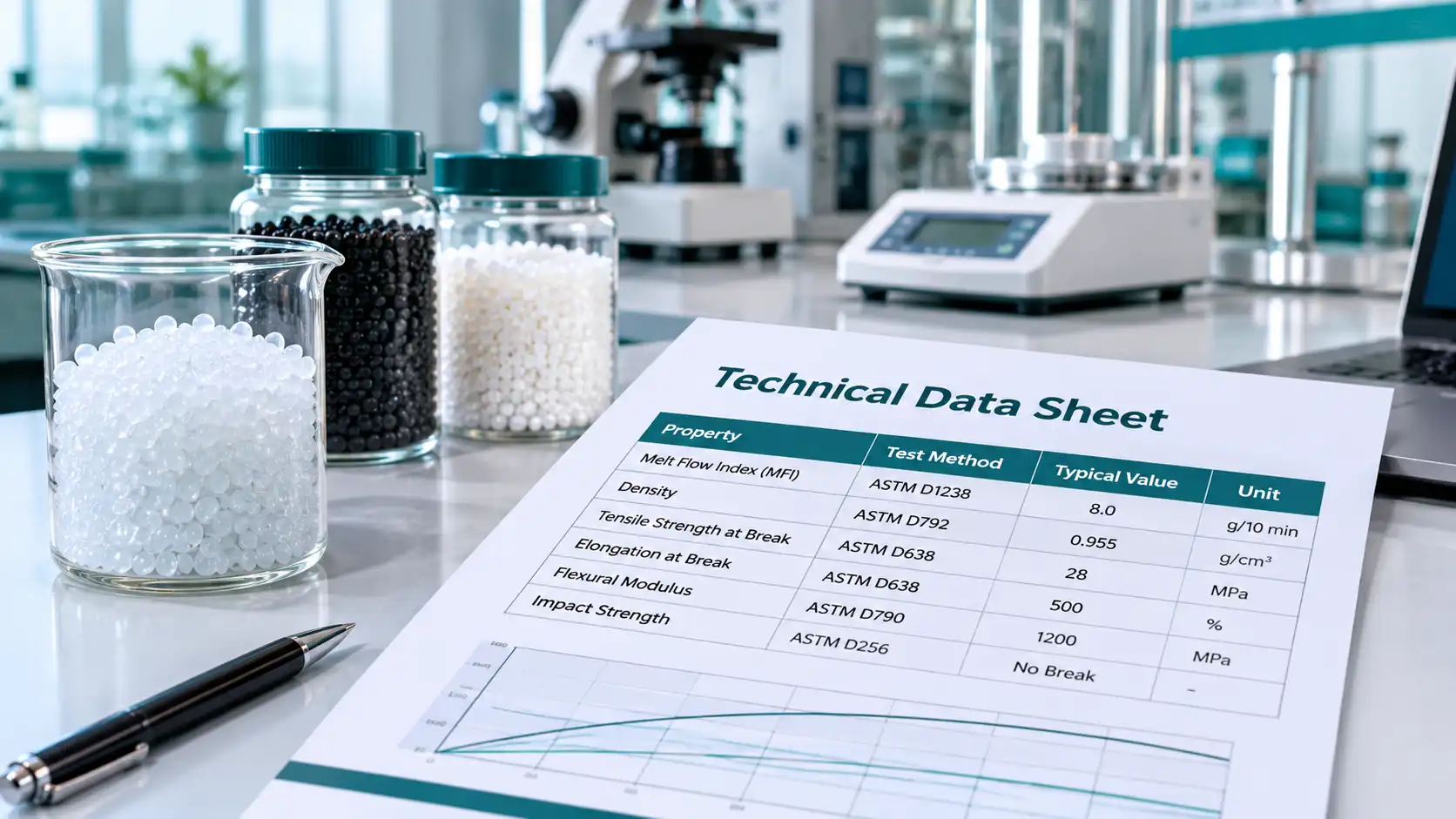
For example, published technical data for HDPE 3840UA shows an MFI range of approximately 3.8–4.5 g/10 min at 190°C/2.16 kg and density around 0.935–0.939 g/cm³.
Another technical datasheet for HD 3840 UA reports a typical melt flow rate of 4 g/10 min and density of 938 kg/m³, alongside tensile strength, flexural modulus, impact resistance and ESCR data.
However, these numbers should not be treated as universal specifications for every 3840 compound.
Important properties include:
1. Melt Flow Rate
MFI is an important indicator of polymer flow and processability.
For rotational molding, the melt must be capable of spreading properly over the internal surface of the mold.
Published 3840UA data commonly places MFI around 4 g/10 min under the specified test conditions.
2. Density
Density affects several characteristics of the final product, including stiffness and weight.
Commercial 3840 grades commonly have density around 0.938 g/cm³, although the exact specification depends on the producer.
3. Impact Strength
Large tanks, containers and outdoor products may experience impact during transportation, installation and everyday use.
Good impact performance is therefore an important characteristic of rotational molding polyethylene.
4. Environmental Stress Crack Resistance
ESCR is particularly important for tanks and containers that may be exposed to chemicals, mechanical stresses or outdoor conditions.
3840 materials are marketed with good stress-cracking resistance, which contributes to their suitability for demanding applications.
5. UV Stabilization
Outdoor products can experience prolonged exposure to sunlight.
UV-stabilized 3840 grades are available for applications where resistance to ultraviolet degradation is important.
3840 Powder for Water and Chemical Tanks
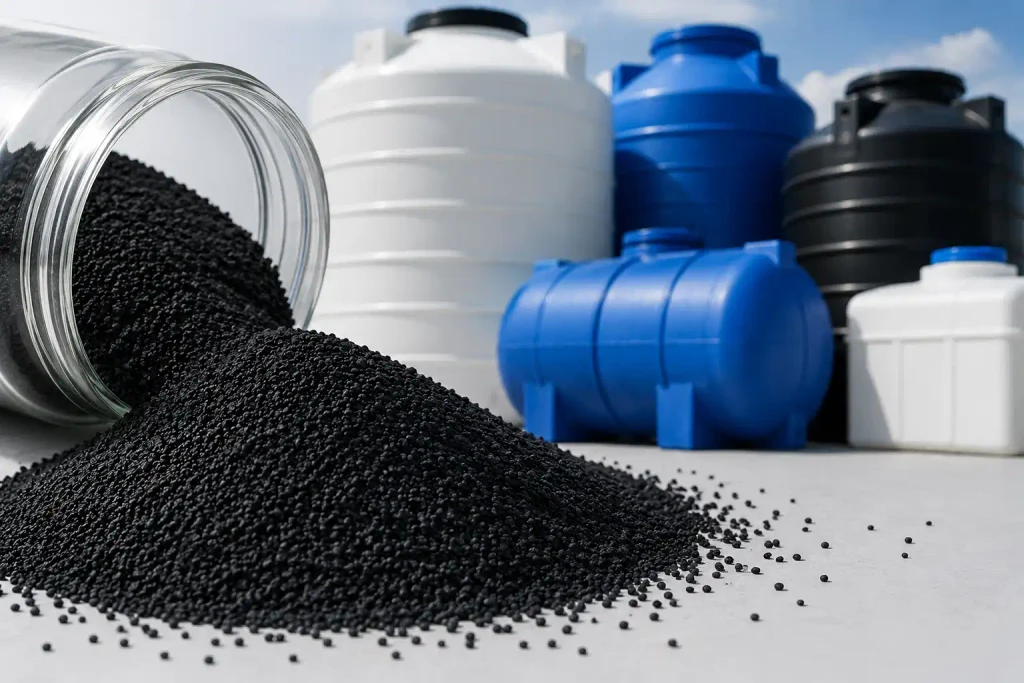
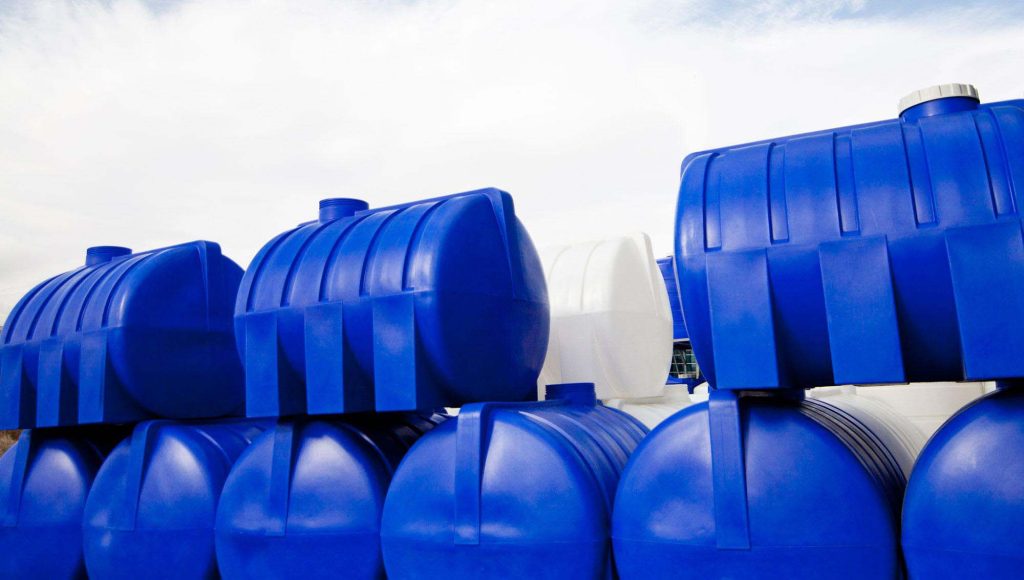
One of the most important applications of 3840 powder compound is the production of polyethylene tanks.
Rotational molding allows manufacturers to produce large seamless tanks without conventional welded joints.
Typical applications include:
- Potable water tanks
- Agricultural water tanks
- Industrial storage tanks
- Chemical containers
- Septic tanks
- Waste containers
- Recycling containers
Iranian suppliers and compound manufacturers also identify 3840 among the polyethylene grades used for producing tanks through rotational molding.
For tank manufacturers, material selection should consider the intended chemical environment, operating temperature, tank geometry, wall thickness, UV exposure and applicable product standards.
Other Applications of 3840 Rotomolding Compound
The versatility of 3840-based polyethylene makes it suitable for many products beyond water tanks.
Common applications include:
Agricultural Products
- Agricultural tanks
- Sprayers
- Irrigation-related containers
- Feed and storage bins
Industrial Products
- Chemical containers
- Industrial tanks
- Waste containers
- Recycling bins
- Material-handling containers
Transportation and Marine Products
- Kayaks
- Boats
- Buoys
- Other hollow molded components
Consumer Products
- Toys
- Plastic boxes
- Storage containers
- Outdoor products
Published application information for 3840 grades includes rotationally molded items, tanks, containers, septic tanks and recycling products.
3840 Powder vs. Conventional Polyethylene Granules
One of the most common questions from buyers is why rotational molding requires powder.
The main reason is the way the material is distributed inside the mold.
Granules are relatively large compared with the particles used in conventional rotomolding powders. Fine and controlled powder allows the material to distribute more effectively over the mold surface during heating and rotation.
Important powder characteristics include:
- Particle-size distribution
- Flowability
- Bulk density
- Moisture
- Powder morphology
- Thermal behavior
- Consistency between batches
The Association of Rotational Molders provides specific procedures for measuring rotational molding powder particle size, dry-flow rate and bulk density, demonstrating the importance of these parameters in rotomolding materials.
How Is 3840 Compound Powder Prepared?
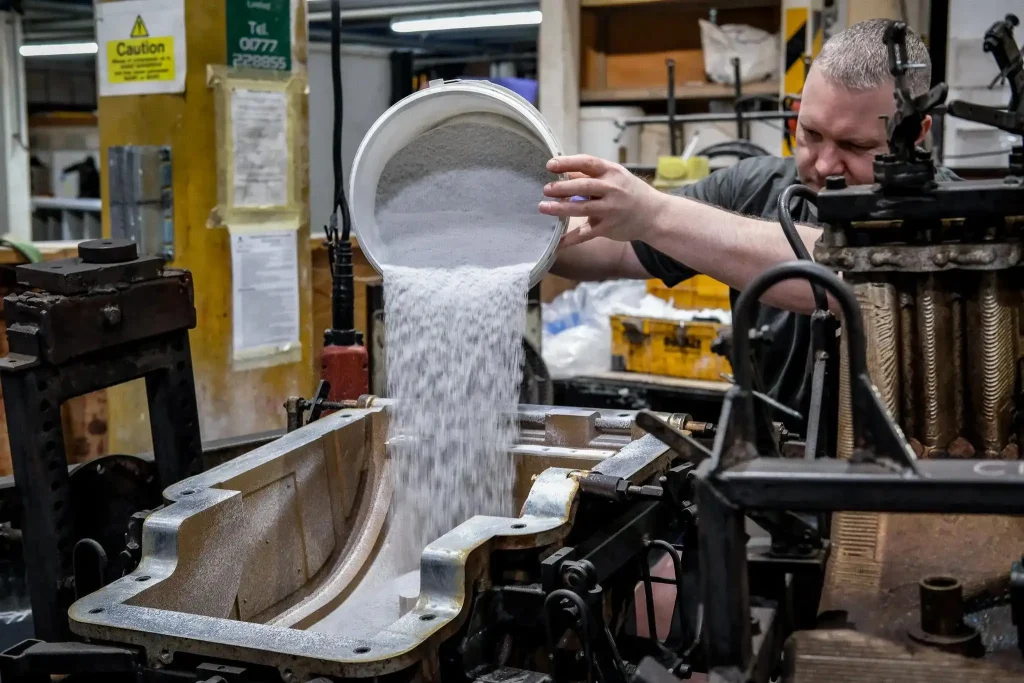
A typical compound production route can involve several stages.
Step 1: Raw Material Selection
The appropriate polyethylene base resin is selected according to the required mechanical and processing properties.
Step 2: Additive and Pigment Preparation
Depending on the final application, the formulation may include:
- Pigments
- UV stabilizers
- Antioxidants
- Processing additives
- Other application-specific additives
Step 3: Compounding
The components are mixed and processed through an extrusion system to achieve uniform dispersion.
Twin-screw extrusion is commonly used for polymer compounding because it provides controlled mixing and dispersion.
Step 4: Pelletizing
The compounded material may be converted into pellets before the powder-production stage.
Step 5: Pulverization
The material is mechanically processed into powder.
Step 6: Particle-Size Control
The powder is screened or classified to achieve the required particle-size distribution.
Step 7: Quality Control
Testing may include:
- MFI
- Density
- DSC
- Particle-size distribution
- Powder flowability
- Tensile properties
- Visual inspection
- Trial molding
Commercial 3840 compound production descriptions specifically identify particle-size distribution, flowability, MFI, DSC and tensile testing as quality-control parameters
What Particle Size Is Suitable for Rotomolding?
There is no single particle size that should automatically be specified for every 3840 application.
The appropriate powder distribution depends on:
- Mold design
- Product geometry
- Wall thickness
- Machine type
- Heating cycle
- Cooling conditions
- Desired surface finish
- Manufacturer requirements
For this reason, buyers should request the particle-size distribution specification from the supplier rather than simply asking for “fine powder.”
A supplier should be able to provide relevant powder-quality information and, where required, test results.
Quality Parameters Buyers Should Check
Before purchasing 3840 powder compound, international buyers should request a technical specification and preferably a recent Certificate of Analysis (COA).
Key parameters include:
| Parameter | Why It Matters |
|---|---|
| MFI | Processability and melt flow |
| Density | Mechanical and dimensional characteristics |
| Particle Size Distribution | Powder behavior inside the mold |
| Powder Flowability | Filling and distribution |
| UV Stabilization | Outdoor durability |
| Impact Strength | Resistance to mechanical impact |
| ESCR | Resistance to environmental stress cracking |
| Tensile Properties | Mechanical performance |
| Color | Final product appearance |
| Moisture | Processing consistency |
| DSC/Thermal Properties | Melting and thermal behavior |
A good supplier should also be able to provide TDS, COA and, when required, MSDS documentation.
3840 Powder Compound from Iran
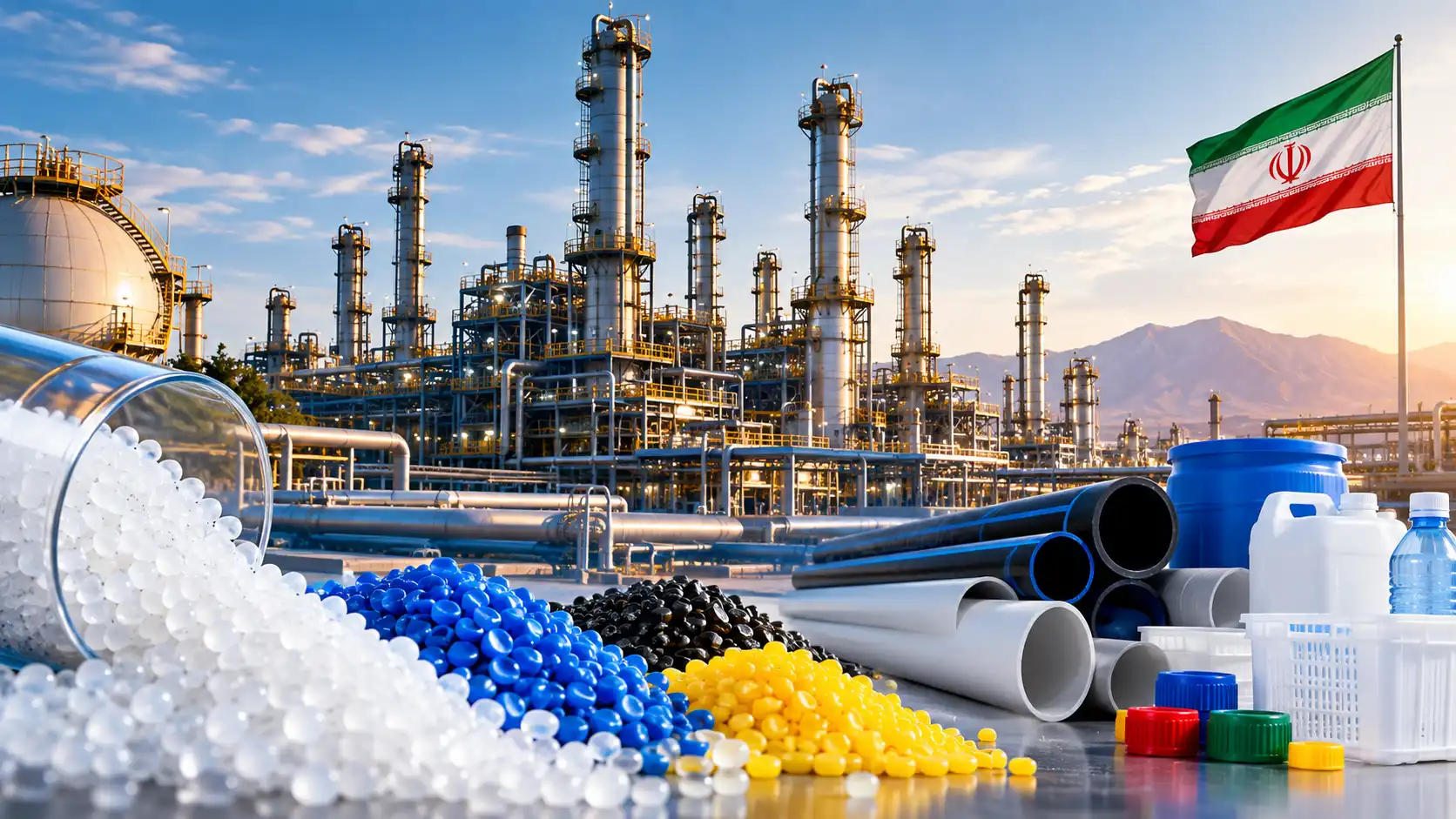
Iran is an important regional source of polyethylene raw materials and polymer products due to its petrochemical production base.
Commercial sources identify Iranian 3840/3840UA materials for rotational molding and applications such as tanks, containers and septic tanks.
Iranian polymer compound manufacturers also produce specialized powder compounds for rotational molding based on polyethylene grades including 3840.
For international buyers, sourcing from Iran can therefore involve two different purchasing routes:
Option 1 — Virgin 3840 resin
The buyer purchases the base polymer and handles compounding and powder production independently.
Option 2 — Ready-to-use 3840 powder compound
The supplier provides a formulated and powdered material designed for direct use in rotational molding.
For many tank and container manufacturers, the second option can simplify production because the material arrives already formulated for the intended application.
How to Buy 3840 Powder from Iran
When looking for a 3840 powder supplier from Iran, price should not be the only consideration.
A professional purchasing process should begin with the buyer’s technical requirements.
Step 1: Define the Application
Tell the supplier what you are manufacturing:
- Water tank
- Chemical tank
- Agricultural tank
- Septic tank
- Bin
- Kayak
- Industrial container
- Other rotomolded product
Step 2: Define the Color
For example:
- Natural
- White
- Black
- Blue
- Custom color
Step 3: Define UV Requirements
Outdoor products normally require an appropriate UV stabilization package.
Step 4: Request Technical Documents
Ask for:
- TDS
- COA
- MSDS
- Particle-size information
- Packaging specification
- Origin
- Production date/batch number
Step 5: Request a Sample
For new suppliers, a production trial is highly recommended before purchasing a large commercial quantity.
Packaging and Export of 3840 Powder
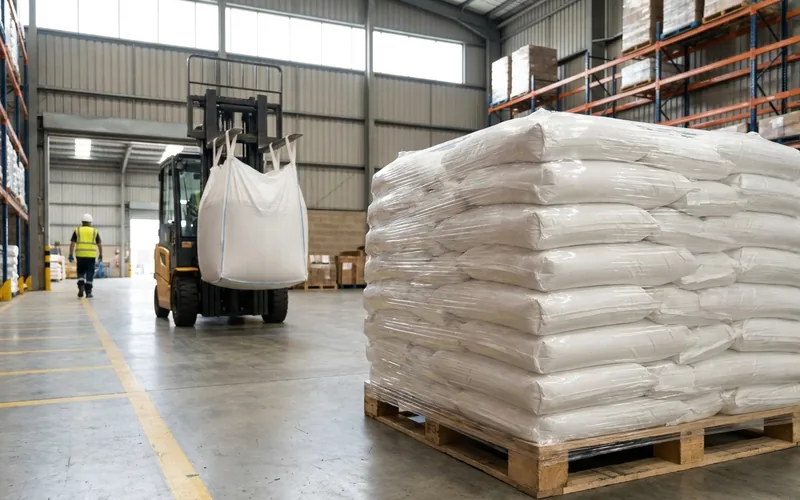
3840 powder compound is generally packed in industrial bags suitable for transportation and storage.
The packaging format should protect the powder from:
- Moisture
- Contamination
- Physical damage
- Improper handling
For export shipments, buyers should confirm:
- Bag weight
- Number of bags per pallet
- Pallet configuration
- Container loading
- Shipping marks
- COA availability
- Certificate of Origin requirements
- Incoterms
- Destination port
Export documentation should be agreed upon before the commercial order is finalized.
Why Choose a Specialized 3840 Powder Supplier?
A supplier that only sells polyethylene resin is not necessarily the right supplier for a rotomolding application.
A specialized 3840 powder compound supplier should understand both the polymer and the molding process.
The supplier should be able to discuss:
- Powder particle size
- Melt flow
- Density
- UV stabilization
- Color formulation
- Impact performance
- ESCR
- Powder flowability
- Application requirements
- Packaging
- Export logistics
This becomes especially important when supplying materials for large tanks or products exposed to outdoor environments.
3840 Powder Compound: What Should Buyers Remember?
The most important point is that “3840” alone does not completely define a commercial powder compound.
Different manufacturers and compounders can offer materials with different:
- Formulations
- Additive packages
- MFI values
- Density
- Particle-size distributions
- UV stabilization
- Color
- Mechanical properties
Therefore, buyers should compare the complete technical specification, not only the grade name.
For example, published 3840UA data from different sources shows variations in reported values and test conditions.
The correct approach is to match the material specification with the final product and manufacturing process.
Frequently Asked Questions About 3840 Powder Compound
What is 3840 powder compound?
3840 powder compound is a polyethylene-based powder material used primarily in rotational molding applications such as tanks, containers, bins and other hollow plastic products.
Is 3840 suitable for rotational molding?
Yes. 3840/3840UA grades are specifically marketed for rotational molding and are used for products including tanks and containers.
What is the typical MFI of 3840?
Published technical data for 3840UA commonly reports an MFI around 4 g/10 min at 190°C/2.16 kg, although specifications vary by producer and product.
What is the density of 3840?
Published data commonly reports density around 0.938 g/cm³, but the exact specification should always be confirmed through the supplier’s current TDS.
Can 3840 powder be used for water tanks?
Yes. 3840 materials are widely associated with rotationally molded tanks and containers, including water-storage applications.
Is 3840 powder UV stabilized?
Some commercial 3840UA grades are UV stabilized. However, buyers should confirm the exact UV package and specification for the particular compound being purchased.
Can I buy 3840 powder compound from Iran?
Yes. Iranian suppliers and compound manufacturers offer 3840-related materials and rotational molding powder compounds for domestic and export applications.
What documents should I request before purchasing?
At minimum, request the TDS and COA. Depending on the destination and application, MSDS, Certificate of Origin and other export documentation may also be required.
Conclusion
3840 Powder Compound is an important material for rotational molding applications where manufacturers need a balance of processability, impact resistance, surface quality, environmental stress crack resistance and outdoor durability.
Its applications extend from water and agricultural tanks to chemical containers, septic tanks, recycling bins, marine products and industrial containers.
For buyers sourcing 3840 powder internationally, the most important consideration is not simply the grade name. The complete technical specification—including MFI, density, particle-size distribution, powder flowability, UV stabilization and mechanical properties—should be evaluated against the final application.
Iran is a significant source of polyethylene raw materials and 3840-related rotational molding materials, creating opportunities for international buyers seeking competitive polymer supply.
If you are sourcing 3840 powder compound from Iran, working with a supplier capable of providing consistent quality, technical documentation, customized formulations and reliable export logistics can make a significant difference in production performance and purchasing reliability.
POLYMY supplies polymer raw materials, compounds and masterbatches for international buyers and can support sourcing requirements for rotational molding materials from Iran.