
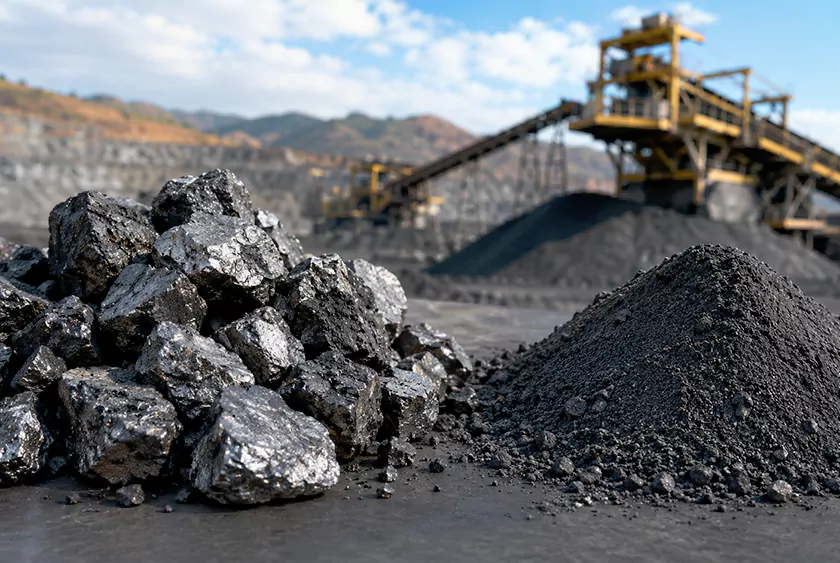
Chromite is one of the world’s most valuable industrial minerals, serving as the primary source of chromium for numerous industries. Whether used in ferrochrome production, refractory manufacturing, or foundry applications, chromite plays an essential role in modern industrial processes.
However, chromite is marketed in different forms, with chromite lump and chromite concentrate being the two most common products. Although both originate from the same ore, they differ significantly in particle size, processing methods, chemical composition, and industrial applications.
Understanding these differences helps buyers, manufacturers, and traders select the most suitable product for their specific operational requirements.
What Is Chromite?
Chromite is a naturally occurring oxide mineral composed primarily of iron, chromium, and oxygen (FeCr₂O₄). It is the only commercially viable source of chromium, making it indispensable for producing stainless steel, ferrochrome alloys, refractory materials, and specialized foundry products.
Major chromite-producing countries include:
- South Africa
- Kazakhstan
- India
- Turkey
- Zimbabwe
- Finland
The value of chromite depends on several quality factors, including chromium oxide (Cr₂O₃) content, chromium-to-iron (Cr/Fe) ratio, impurity levels, and particle size.
What Is Chromite Lump?
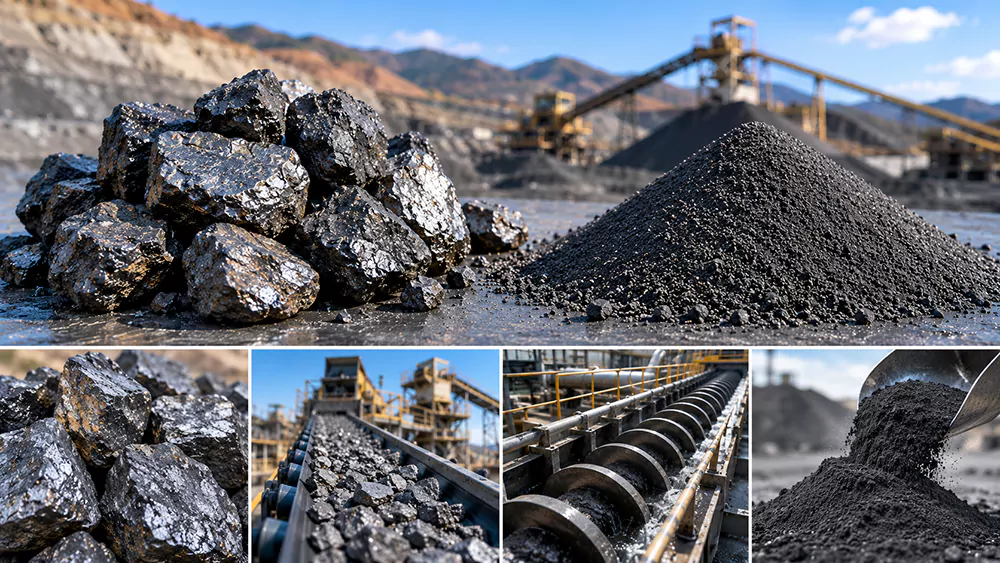
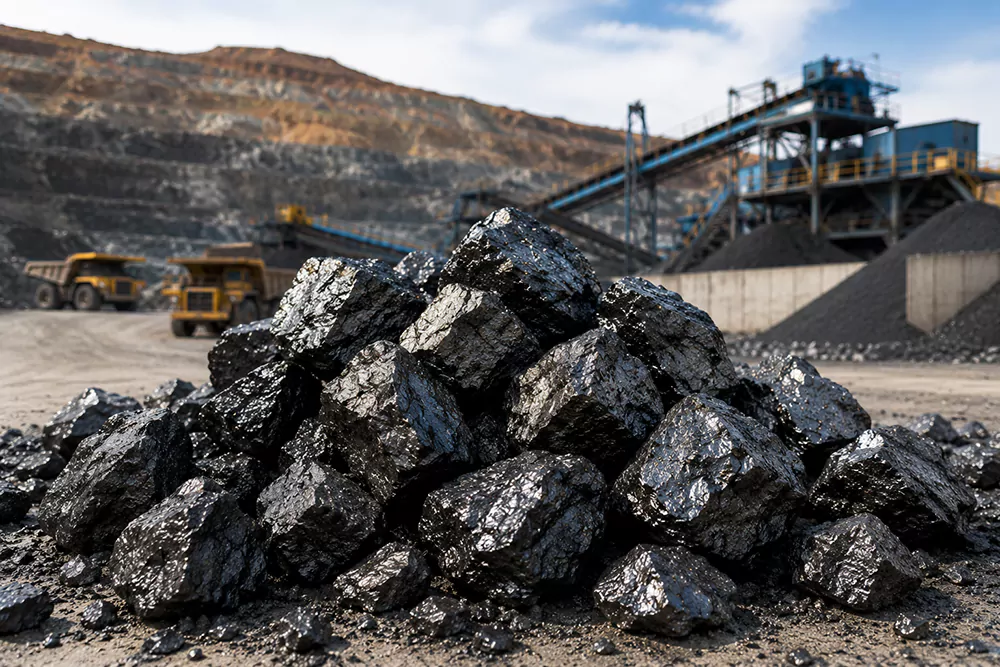
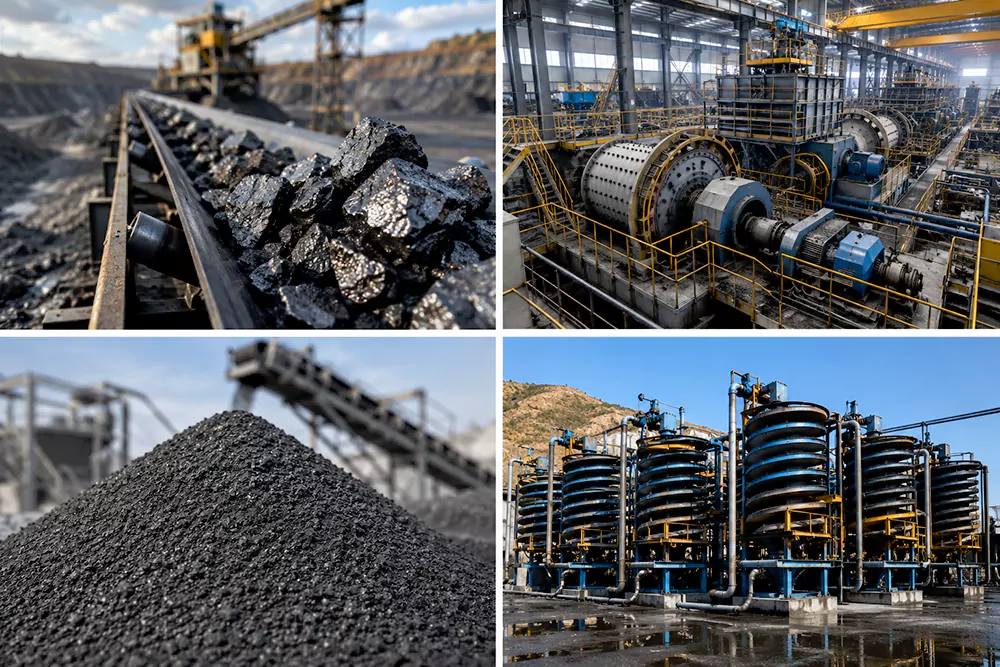
Chromite lump consists of naturally mined ore that has been crushed, screened, and classified into relatively large particle sizes without extensive beneficiation.
Unlike concentrate, lump ore undergoes minimal processing, preserving its natural composition while making it suitable for applications where coarse material is preferred.
Typical Characteristics of Chromite Lump
- Large particle size
- Minimal processing
- Naturally occurring composition
- Good permeability in furnaces
- Lower processing cost
- Suitable for direct metallurgical applications
What Is Chromite Concentrate?
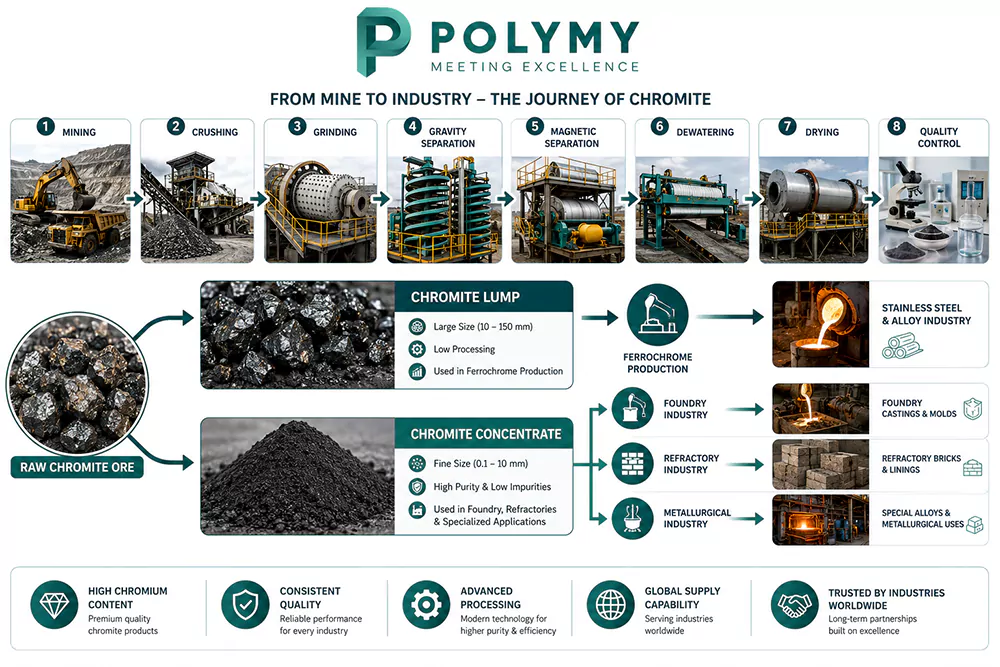
Chromite concentrate is a processed product obtained by upgrading chromite ore through mineral beneficiation techniques.
The objective of concentration is to increase chromium content while reducing unwanted gangue minerals such as silica and other impurities.
Common beneficiation methods include:
- Crushing
- Grinding
- Gravity separation
- Magnetic separation
- Spiral concentration
- Dewatering
- Drying
The result is a high-purity material with improved chemical consistency and superior performance in industrial applications.
Chromite Lump vs. Chromite Concentrate
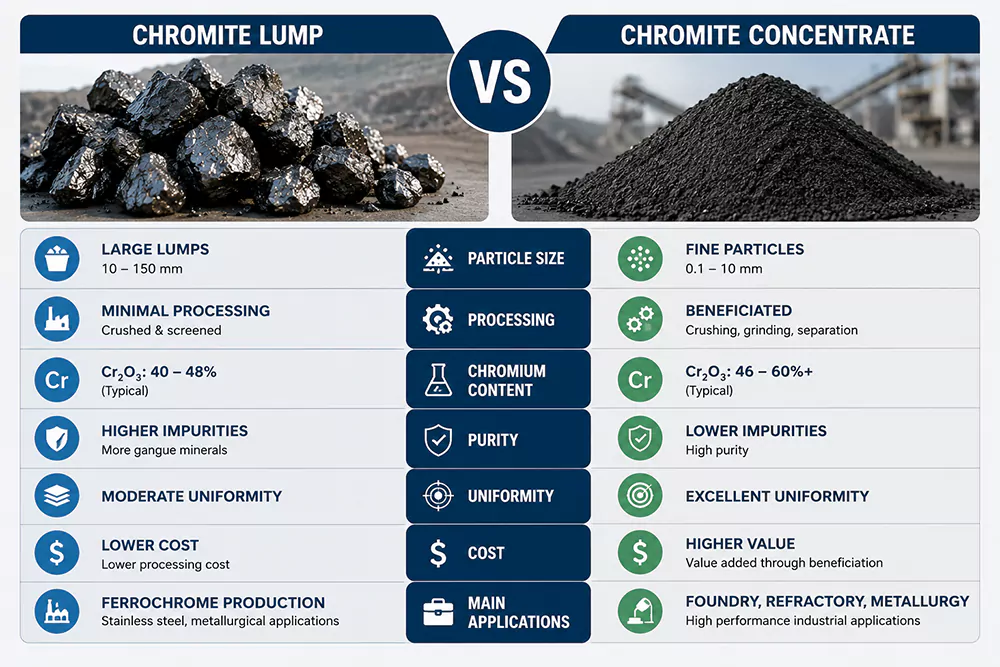
| Feature | Chromite Lump | Chromite Concentrate |
| Processing | Minimal | Beneficiated and upgraded |
| Particle Size | Large | Fine powder or fine particles |
| Chromium Content | Moderate | Higher |
| Purity | Natural | Improved |
| Impurity Levels | Higher | Lower |
| Uniformity | Moderate | Excellent |
| Cost | Lower processing cost | Higher value due to beneficiation |
| Main Applications | Ferrochrome furnaces | Foundry, refractory, metallurgy |
Production Process
Although both products originate from the same chromite deposit, their production routes differ significantly.
Chromite Lump Production
The production process typically includes:
- Mining
- Primary crushing
- Screening
- Size classification
- Quality inspection
- Shipment
Because beneficiation is generally unnecessary, production costs remain relatively low.
Chromite Concentrate Production
Producing concentrate involves several additional processing stages:
- Mining
- Crushing
- Grinding
- Gravity separation
- Magnetic separation
- Dewatering
- Drying
- Quality testing
- Packaging
These additional steps improve both chemical quality and consistency.
Industrial Applications of Chromite Lump
Chromite lump is widely used where coarse particle size provides operational advantages.
Typical applications include:
Ferrochrome Production
Large chromite particles improve furnace permeability and support efficient smelting operations during ferrochrome production.
Stainless Steel Manufacturing
Ferrochrome produced from chromite lump serves as the primary chromium source for stainless steel production.
Metallurgical Industry
Many submerged arc furnaces are specifically designed to process lump ore efficiently.
Industrial Applications of Chromite Concentrate
Chromite concentrate is preferred for industries requiring higher purity and more consistent chemical composition.
Foundry Industry
Chromite concentrate is used in foundry sands because of its:
- High thermal conductivity
- Excellent resistance to thermal shock
- Low silica content
- Reduced metal penetration
Refractory Manufacturing
High-purity concentrate is used to manufacture refractory bricks capable of withstanding extremely high operating temperatures.
Chemical Industry
Chromite concentrate also serves as a raw material for producing chromium-based chemicals and specialty compounds.
Advantages of Chromite Lump
Benefits include:
- Lower processing costs
- Good furnace permeability
- Suitable for direct smelting
- Minimal beneficiation required
- Reliable metallurgical performance
Advantages of Chromite Concentrate
Chromite concentrate offers several important advantages:
- Higher Cr₂O₃ content
- Lower impurity levels
- Better chemical consistency
- Improved product quality
- Enhanced foundry performance
- Superior refractory properties
- Greater process efficiency
Factors to Consider When Choosing Between Chromite Lump and Chromite Concentrate
Selecting the right material depends on the intended industrial application.
Consider the following factors:
Required Chromium Content
High-purity applications generally require chromite concentrate.
Particle Size
Smelting operations often prefer lump ore, while foundries and refractory manufacturers usually require concentrate.
Processing Requirements
Some industrial processes demand chemically consistent materials that only concentrate can provide.
Cost Considerations
While concentrate has a higher purchase price due to beneficiation, its improved quality may reduce production costs and increase efficiency.
Quality Parameters Buyers Should Evaluate
Regardless of product type, buyers should evaluate:
- Chromium Oxide (Cr₂O₃)
- Chromium-to-Iron Ratio (Cr/Fe)
- Silica (SiO₂)
- Alumina (Al₂O₃)
- Moisture Content
- Particle Size Distribution
- Bulk Density
- Chemical Consistency
Working with a reliable supplier helps ensure that every shipment meets required technical specifications.
Future Trends in the Chromite Industry
Growing demand for stainless steel, infrastructure development, and advanced industrial manufacturing continue to drive global chromite consumption.
Current industry trends include:
- Higher-grade concentrates
- Improved beneficiation technologies
- Sustainable mining practices
- Energy-efficient processing
- Increased recycling of chromium-bearing materials
- Digital quality control systems
As industrial standards become increasingly demanding, both chromite lump and chromite concentrate will remain essential materials across multiple sectors.
Frequently Asked Questions
What is the main difference between chromite lump and chromite concentrate?
Chromite lump is minimally processed coarse ore, while chromite concentrate is a beneficiated product with higher chromium content, lower impurities, and improved consistency.
Which product is better for ferrochrome production?
Chromite lump is commonly used in submerged arc furnaces because its larger particle size promotes better gas flow and furnace permeability. Concentrate may also be used depending on the smelting technology and plant design.
Why is chromite concentrate preferred in foundries?
Its low silica content, high thermal stability, and consistent quality improve mold performance and reduce casting defects.
Is chromite concentrate more expensive?
Yes. The additional beneficiation and quality control processes increase production costs, but the improved performance often delivers better overall value in demanding industrial applications.
Conclusion
Although chromite lump and chromite concentrate originate from the same mineral, they are designed for different industrial requirements. Chromite lump is generally preferred for metallurgical applications where coarse particle size supports efficient furnace operation, while chromite concentrate offers higher purity, greater consistency, and superior performance for foundry, refractory, and specialized industrial processes. Choosing the right product depends on factors such as chromium content, particle size, processing requirements, and the specific demands of the end application.
POLYMY supplies high-quality chromite lump and chromite concentrate to customers worldwide, serving the metallurgical, foundry, and refractory industries with reliable quality, consistent specifications, and dependable global supply solutions.