

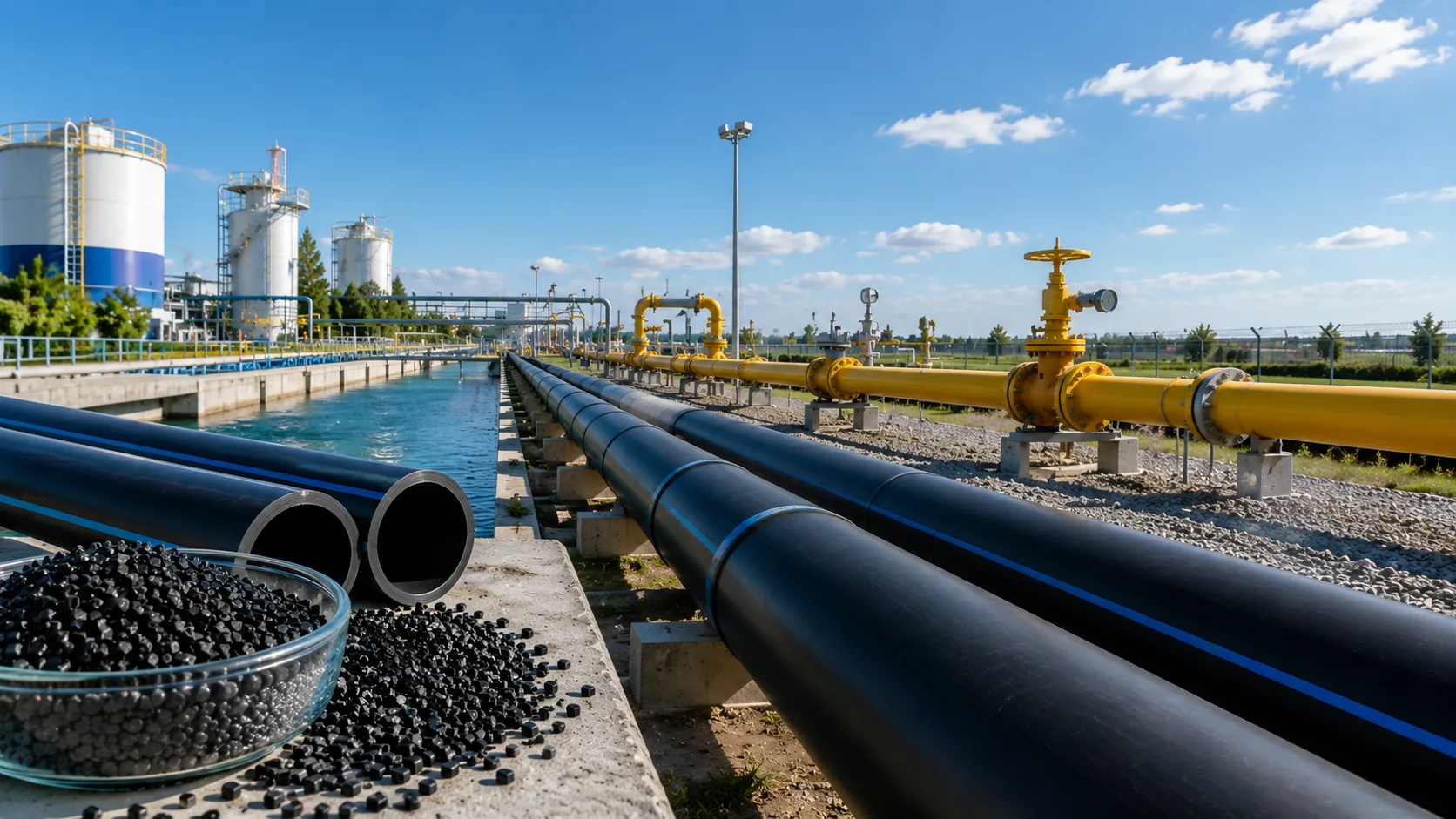
As global demand for reliable water distribution and natural gas transportation continues to increase, pipeline systems must deliver exceptional durability, safety, and long-term performance. Selecting the right pipe material plays a critical role in ensuring efficient infrastructure with minimal maintenance and operational costs.
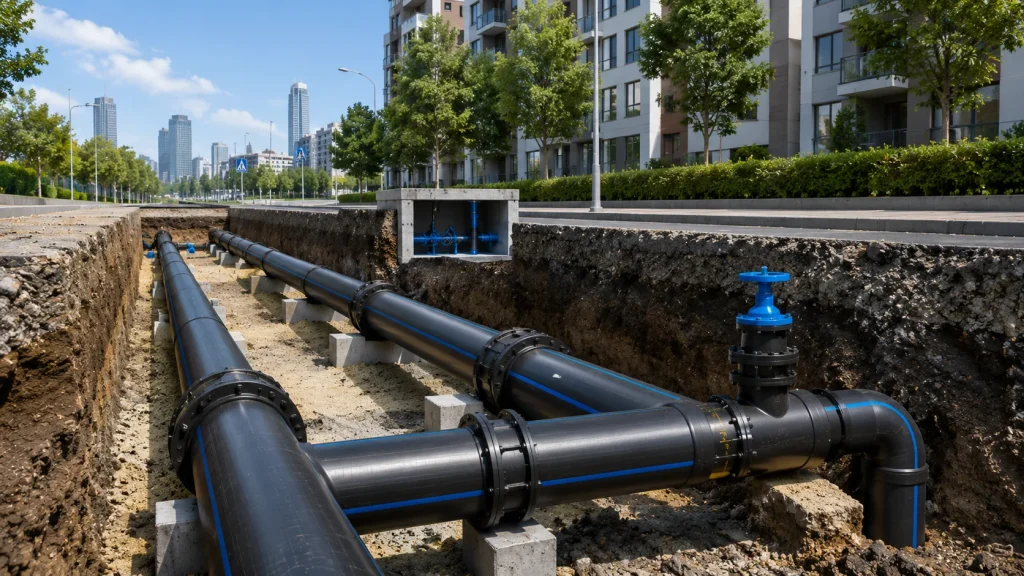
Among modern piping materials, PE100 pipe compound has become the preferred choice for manufacturing high-performance pressure pipes. Developed from advanced high-density polyethylene (HDPE) technology, PE100 combines excellent mechanical strength, outstanding chemical resistance, and superior long-term hydrostatic performance. These properties make it ideal for municipal water networks, gas distribution systems, industrial pipelines, mining operations, and agricultural irrigation.
This article explores the key advantages of PE100 pipe compound, explaining why it has become the international standard for water and gas pipeline applications.
What Is PE100 Pipe Compound?
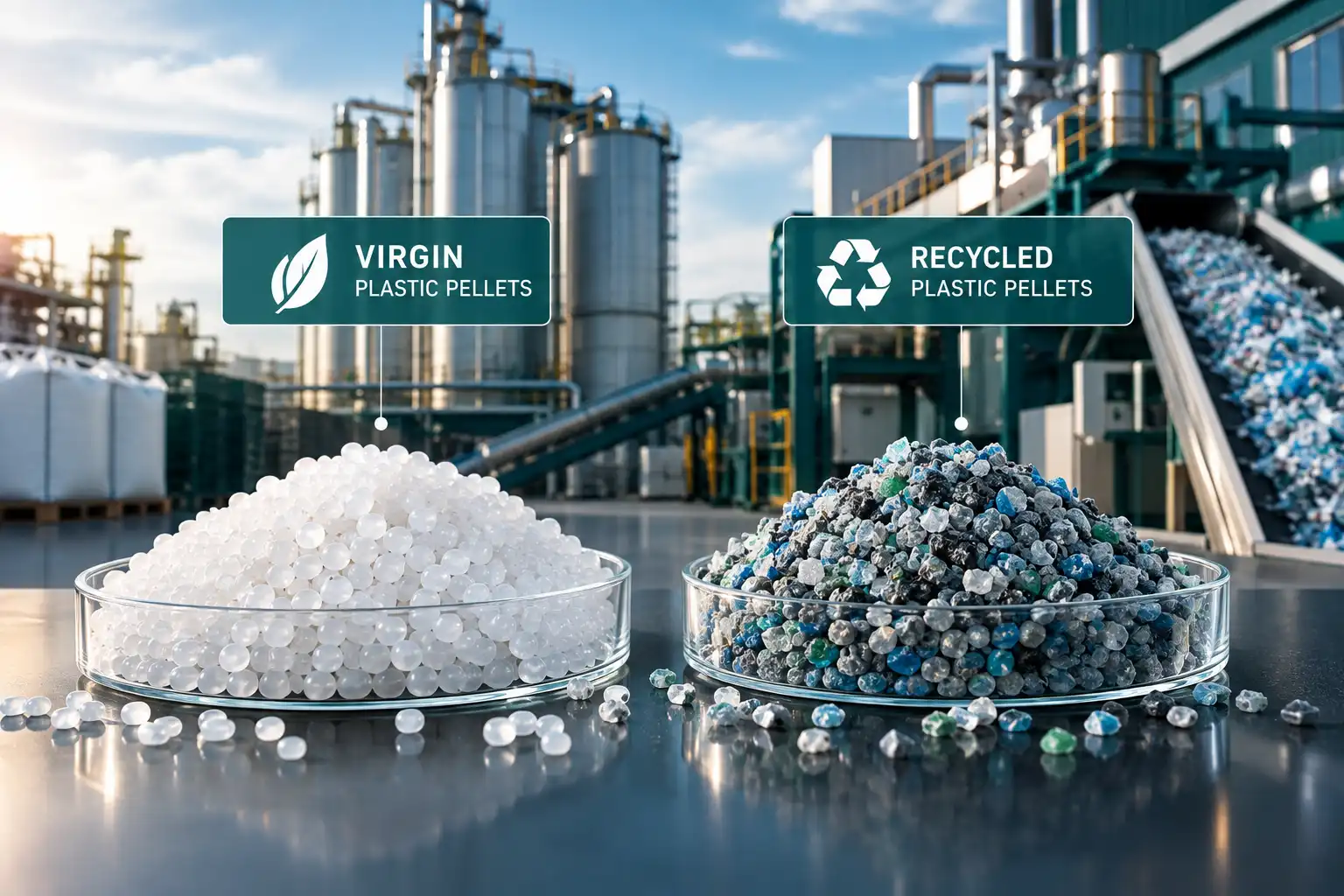
PE100 pipe compound is a premium-grade High-Density Polyethylene (HDPE) material specifically engineered for manufacturing pressure pipes. It is produced by combining virgin PE100 resin with carefully selected additives such as antioxidants, UV stabilizers, carbon black (for black compounds), and processing aids to ensure excellent long-term performance.
The designation PE100 is based on ISO 12162, indicating a Minimum Required Strength (MRS) of 10 MPa after 50 years of continuous service at 20°C. This high strength allows manufacturers to produce lighter pipes with thinner walls while maintaining superior pressure resistance and reliability.
Because of these characteristics, PE100 has become one of the most widely used materials for modern pipeline infrastructure worldwide.
Why PE100 Is Preferred for Water and Gas Pipelines
Water and gas distribution systems require materials that can operate safely under continuous internal pressure while resisting corrosion, environmental stress, and changing weather conditions. PE100 pipe compound satisfies these demanding requirements and offers several advantages over traditional materials such as steel, ductile iron, and concrete.
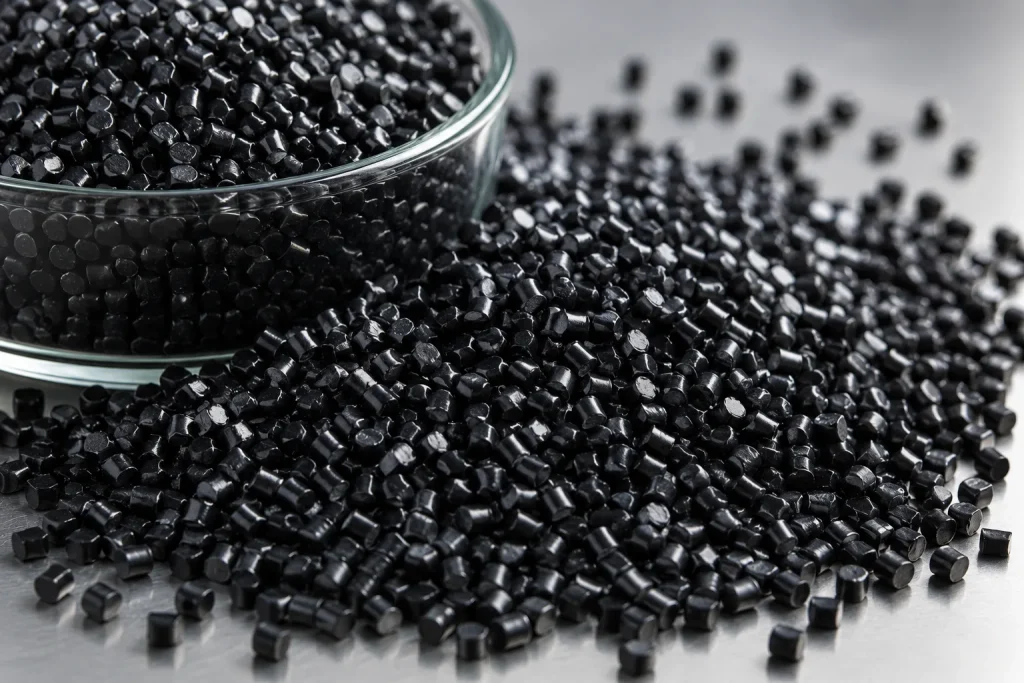
Key Advantages of PE100 Pipe Compound
Superior Pressure Resistance
One of the most significant advantages of PE100 pipe compound is its excellent pressure performance. With a Minimum Required Strength (MRS) of 10 MPa, PE100 can withstand higher operating pressures than earlier polyethylene grades while maintaining long-term structural integrity.
This makes it suitable for high-pressure potable water systems, natural gas networks, and industrial fluid transportation.
Long Service Life
PE100 piping systems are designed for a service life exceeding 50 years when properly manufactured, installed, and operated. Its resistance to slow crack growth and environmental stress cracking ensures reliable performance throughout decades of operation.
This long lifespan reduces replacement frequency and lowers total lifecycle costs.
Outstanding Corrosion Resistance
Unlike metal pipes, PE100 does not rust, corrode, or require protective coatings. It remains unaffected by soil moisture, groundwater, salts, and many aggressive chemicals.
This corrosion resistance minimizes maintenance requirements and ensures consistent pipeline performance in both underground and above-ground installations.
Excellent Chemical Resistance
PE100 pipe compound offers outstanding resistance to a wide range of chemicals, including:
- Acids
- Alkalis
- Salts
- Industrial process chemicals
- Fertilizers
This property makes PE100 suitable for industrial pipelines, mining operations, wastewater systems, and chemical processing facilities.
Lightweight Construction
PE100 pipes are significantly lighter than steel, concrete, or ductile iron pipes. Their reduced weight simplifies transportation, handling, and installation while lowering labor and equipment costs.
Lightweight materials also accelerate project completion and reduce overall installation expenses.
High Flexibility
PE100 exhibits excellent flexibility, allowing pipelines to accommodate ground movement, seismic activity, and installation stresses without cracking.
Its flexibility also reduces the number of fittings required, simplifying pipeline design and lowering installation costs.
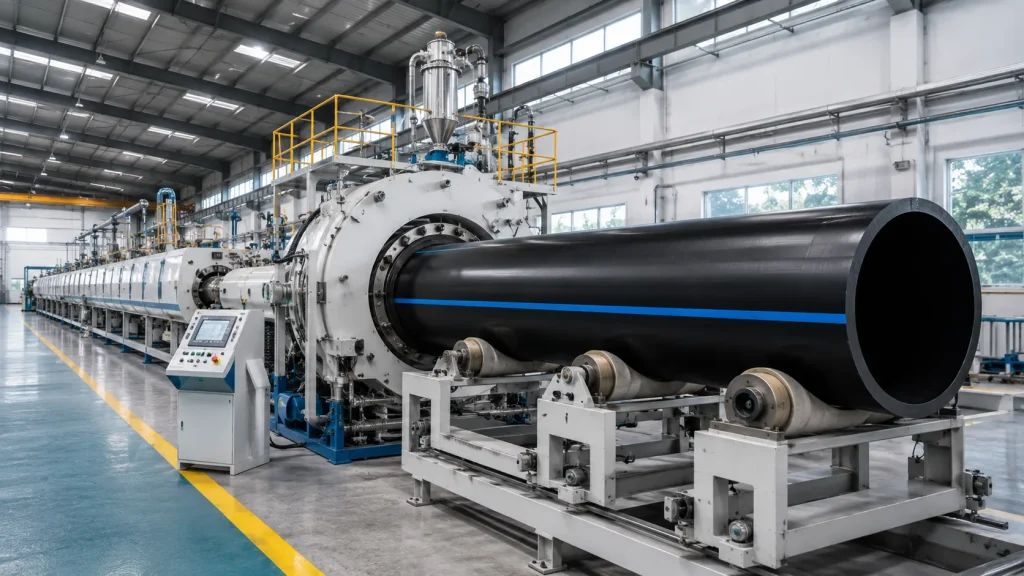
Leak-Free Fusion Welding
PE100 pipes are commonly joined using butt fusion or electrofusion welding. These methods create homogeneous joints that are often as strong as the pipe itself, minimizing the risk of leakage.
Leak-free joints improve system safety and reduce water losses and gas leakage.
Excellent Hydraulic Performance
The smooth internal surface of PE100 pipes minimizes friction losses, resulting in:
- Improved flow efficiency
- Reduced pumping energy
- Lower operating costs
- Better long-term hydraulic performance
Unlike metal pipes, PE100 maintains its smooth internal surface throughout its service life because it does not corrode or develop internal scale.
UV Resistance
Black PE100 pipe compounds containing carbon black provide excellent resistance to ultraviolet radiation, making them suitable for outdoor storage and exposed installations.
This UV protection extends the material’s service life under harsh environmental conditions.
Environmental Sustainability
PE100 contributes to sustainable infrastructure by offering:
- Long service life
- Low maintenance requirements
- Reduced leakage
- Lower energy consumption during operation
- Recyclability at the end of its service life
These characteristics support environmentally responsible pipeline systems.
Applications of PE100 Pipe Compound
PE100 pipe compound is widely used across multiple industries because of its exceptional durability and pressure performance.
Major applications include:
Potable Water Distribution
Municipal water supply systems rely on PE100 for its corrosion resistance, hygiene, and long service life.
Natural Gas Distribution
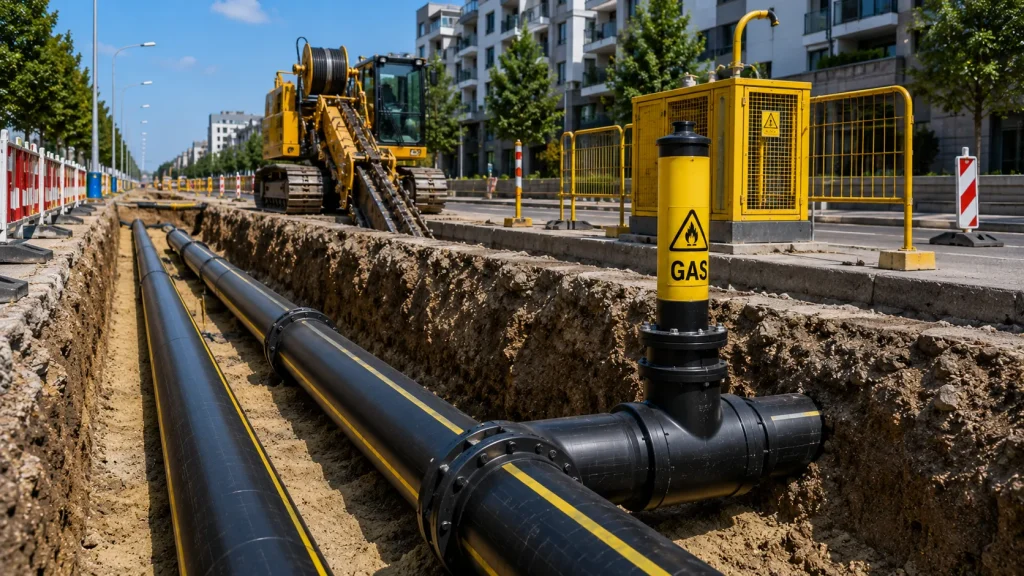
PE100 provides excellent safety, flexibility, and leak-free welded joints for underground gas pipeline networks.
Industrial Pipelines
Many industries use PE100 to transport process water, chemicals, and industrial fluids.
Mining Operations
PE100 pipes are widely used for slurry transport, mine dewatering, and water supply because of their abrasion resistance and durability.
Agricultural Irrigation
Modern irrigation systems benefit from PE100’s lightweight construction, corrosion resistance, and easy installation.
Wastewater Systems
PE100 performs reliably in sewage and wastewater applications where corrosion resistance is essential.
PE100 Pipe Compound vs. Traditional Pipe Materials
| Property | PE100 Pipe Compound | Steel Pipe | Ductile Iron |
| Corrosion Resistance | Excellent | Poor | Moderate |
| Weight | Lightweight | Heavy | Heavy |
| Service Life | More than 50 Years | Moderate | Long |
| Chemical Resistance | Excellent | Limited | Moderate |
| Installation | Easy | Complex | Complex |
| Maintenance | Low | High | Moderate |
| Leak-Free Joints | Yes | No | No |
Quality Parameters Buyers Should Evaluate
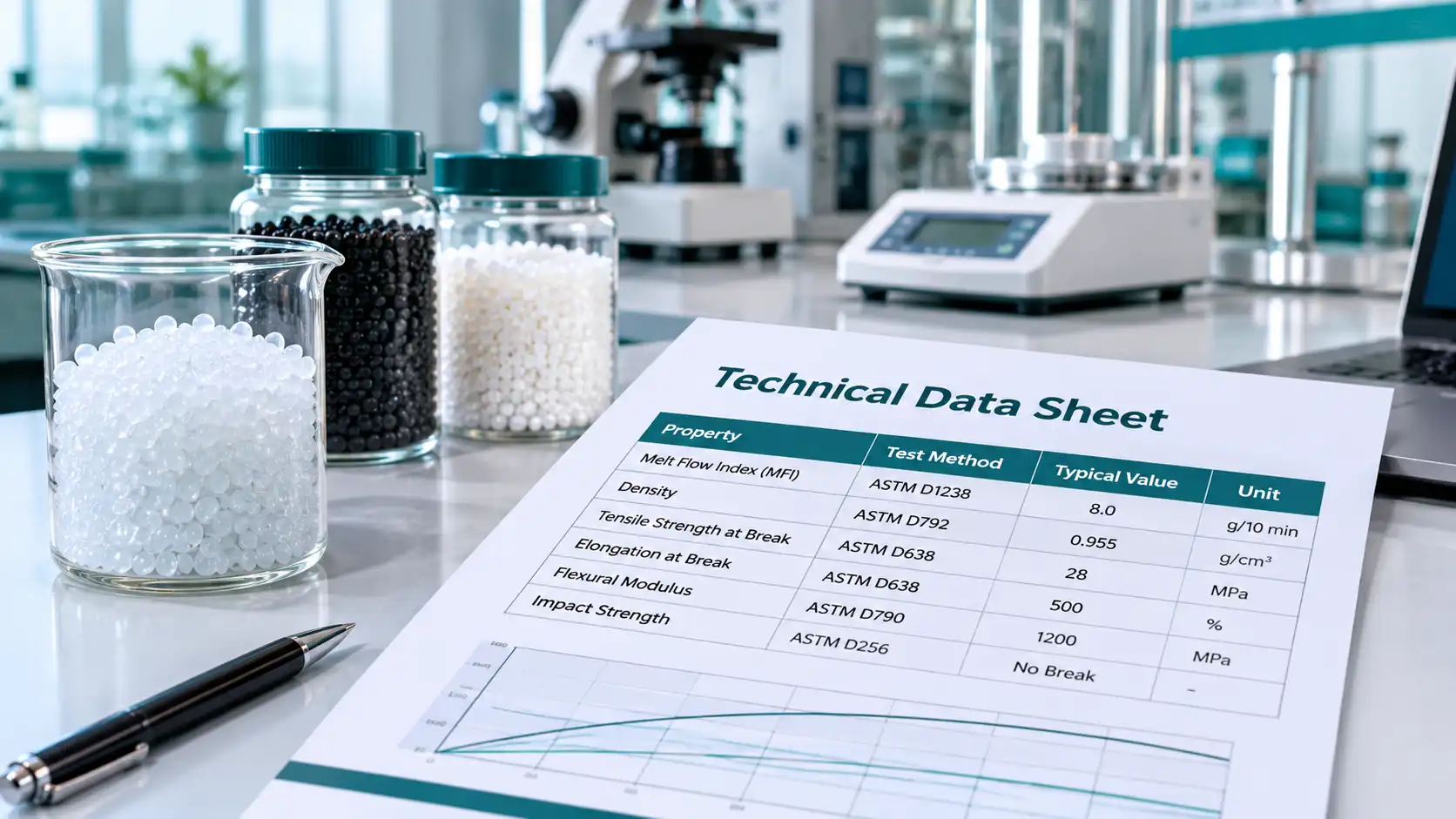
When selecting PE100 pipe compound, buyers should evaluate:
- Density
- Melt Flow Index (MFI)
- Carbon Black Content
- Carbon Black Dispersion
- Oxidation Induction Time (OIT)
- Hydrostatic Strength
- Environmental Stress Crack Resistance (ESCR)
- UV Stability
- Compliance with ISO Standards
Purchasing high-quality PE100 compound from a reliable supplier ensures consistent processing performance and long-term pipeline reliability.
International Standards
Premium PE100 compounds are generally manufactured according to internationally recognized standards, including:
- ISO 4427
- ISO 12162
- EN 12201
- ASTM D3350
- ASTM F714
Compliance with these standards ensures product consistency, safety, and performance in demanding pressure pipe applications.
Future Trends in PE100 Pipe Compound
The global demand for PE100 pipe compound continues to grow as governments and industries invest in modern infrastructure and sustainable pipeline systems.
Current trends include:
- Advanced PE100 resin technologies
- Improved crack resistance
- Enhanced UV stabilization
- Smart manufacturing and quality control
- Sustainable production methods
- Increased use in renewable energy infrastructure
- Growing adoption in desalination and water treatment projects
These developments continue to strengthen PE100’s position as the preferred material for pressure pipe systems.
Frequently Asked Questions
Why is PE100 preferred for water pipelines?
PE100 offers high pressure resistance, excellent corrosion resistance, long service life, and leak-free welded joints, making it ideal for drinking water distribution systems.
Is PE100 suitable for natural gas pipelines?
Yes. PE100 is widely used in natural gas distribution because of its flexibility, strength, and secure fusion-welded connections.
How long do PE100 pipes last?
When properly installed and operated, PE100 pipeline systems can provide a service life exceeding 50 years.
Does PE100 corrode?
No. PE100 is highly resistant to corrosion and does not rust or require protective coatings, unlike metal piping materials.
Conclusion
PE100 pipe compound has become the preferred material for modern water and gas pipeline systems because of its exceptional pressure resistance, long service life, corrosion resistance, flexibility, and reliable long-term performance. Its lightweight construction, leak-free fusion welding, and excellent hydraulic efficiency make it an ideal choice for municipal infrastructure, industrial processing, mining, and agricultural irrigation. As demand for durable and sustainable pipeline solutions continues to grow, PE100 remains the industry standard for high-performance pressure piping applications.
POLYMY supplies premium PE100 pipe compound manufactured to meet international quality standards for water and gas pipeline systems. With consistent specifications, reliable performance, and dependable global supply, POLYMY supports manufacturers and infrastructure projects with high-quality polyethylene solutions designed for demanding pressure pipe applications.
۶ Responses
It was a useful article.Thanks.
Thanks
👍
Thats perfect
very GOOD INFORMATION
Thank you for your kind feedback. I truly appreciate your comment.